Art, Identity, and the Future of Development: Notes from Nashville’s ULI Spring Meeting
Few cities are evolving as rapidly as Nashville. And at this year’s ULI Spring Meeting, the city became a living case study for how culture, community, and thoughtful development can work together to shape meaningful growth.
Over the course of the week, NINE dot ARTS joined developers, designers, planners, and placemakers from across the country to explore the future of mixed-use districts, adaptive reuse, sports-anchored development, master planned communities, and more. From historic downtown Franklin to East Nashville’s creative micro-developments and the rapidly transforming riverfront, one theme consistently emerged: the most successful places are no longer competing on amenities alone. Experience, authenticity, and emotional connection are becoming true value drivers shaping not only how places look, but how they feel and function over time.
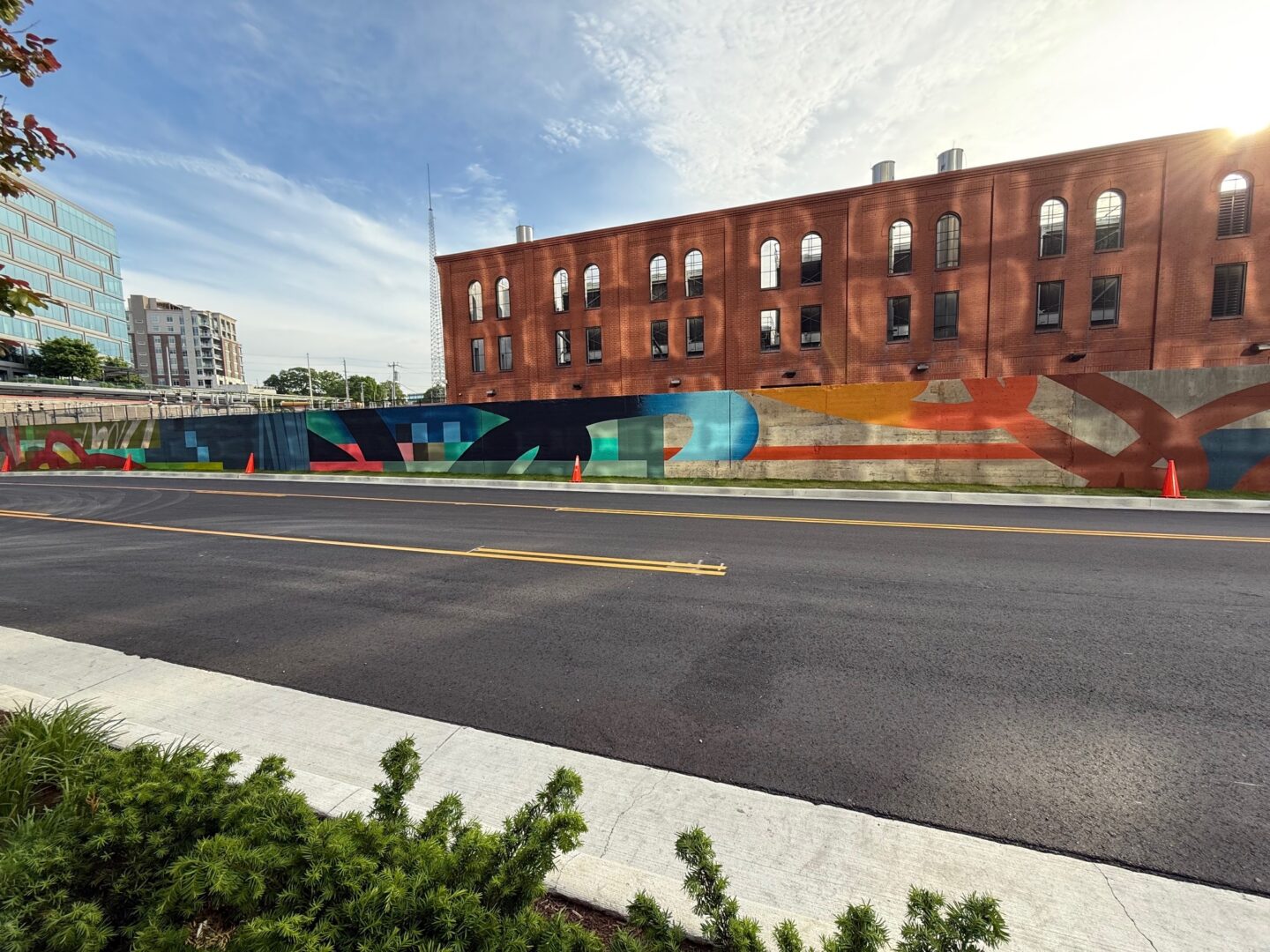
Mural by Eric “MOBE” Bass at Peabody Union, a mixed-use community by Stiles integrated into the historic trolley barn site
Art as Infrastructure, Not Decoration
Chief Curator Molly Casey participated in ULI’s Placemaking Council, exploring Nashville neighborhoods like Wedgewood Houston and South Bank, where thoughtful mixed-use development, public art, adaptive reuse, and pedestrian-oriented design are creating layered, culturally resonant districts. And her experience reinforced an idea we often return to at NINE dot ARTS: the strongest places establish identity and belonging early, long before a project is fully built out.
This idea was further emphasized during a Community Development Council panel focused on The Impact of Art on Master Planned Communities. The discussion explored how developers are increasingly using art and culture to differentiate communities, foster connection, and create long-term value that extends beyond architecture and amenity packages alone.
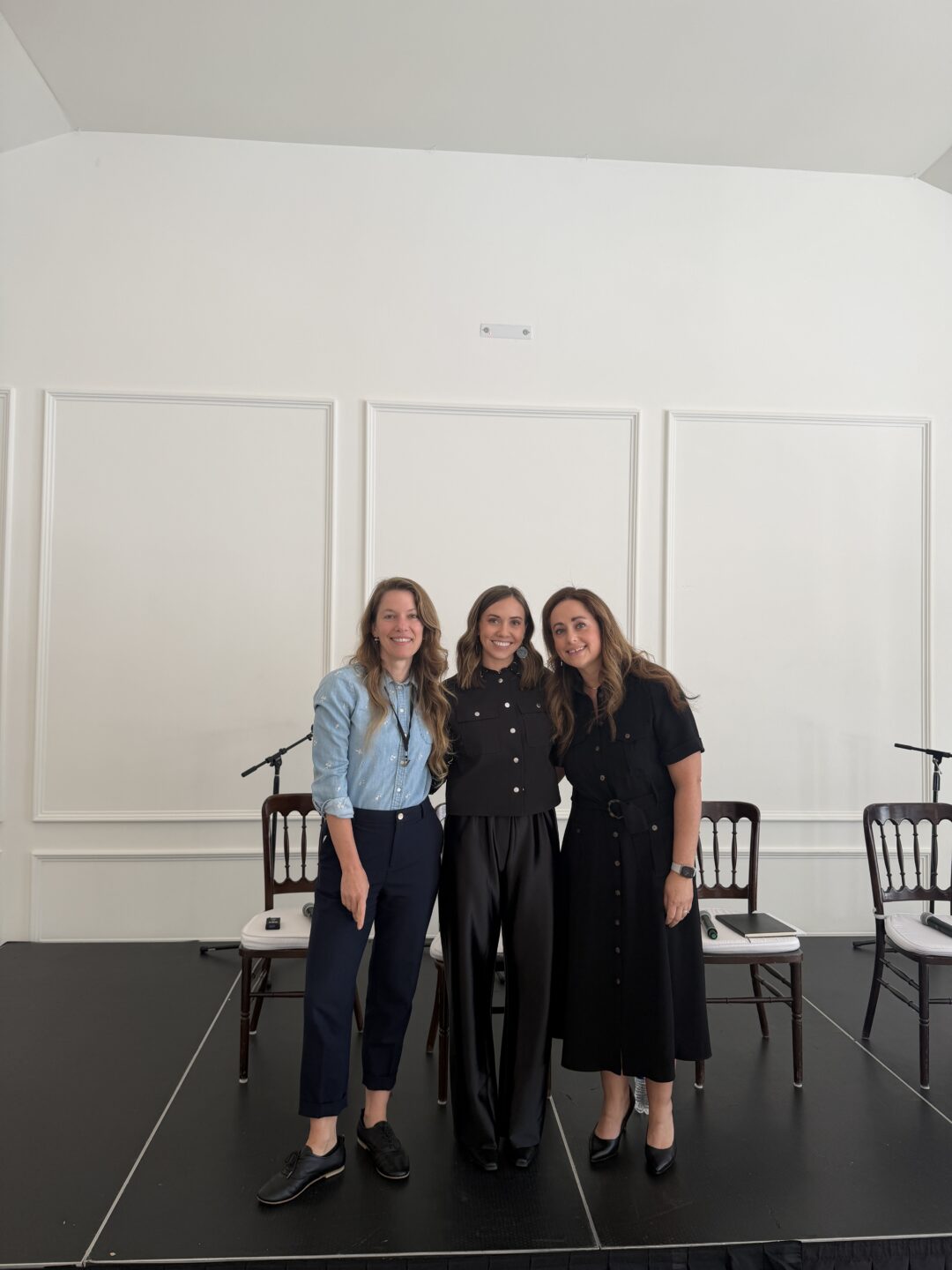
Noa Hecht, Olivia Dahlquist, and Ana Monnaco on the panel, “The Impact of Art on Master Planned Communities”
Preservation, Adaptive Reuse, and “Small but Mighty” Development
Across panels and project tours, Nashville offered compelling real-world examples of these ideas in action.
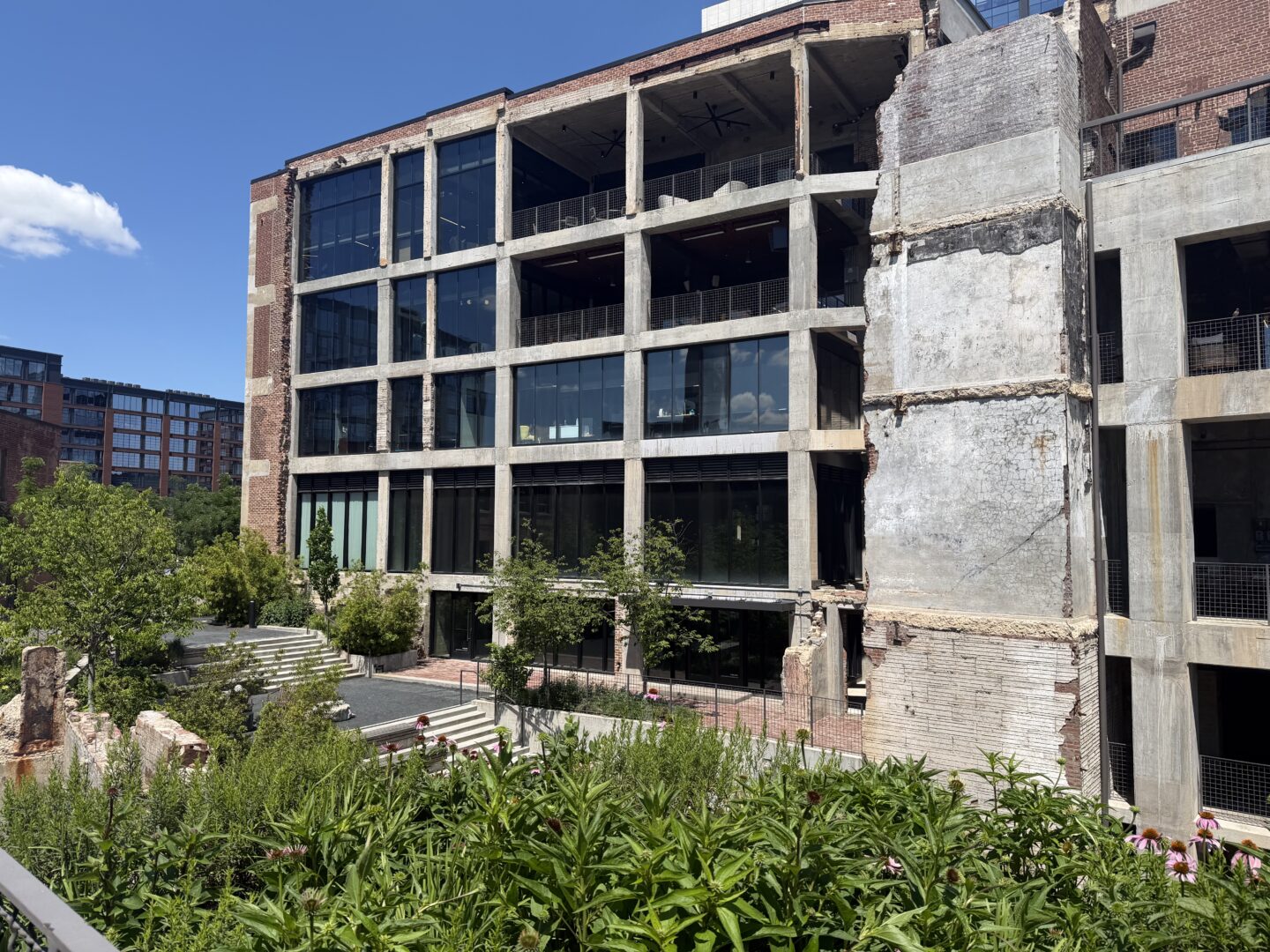
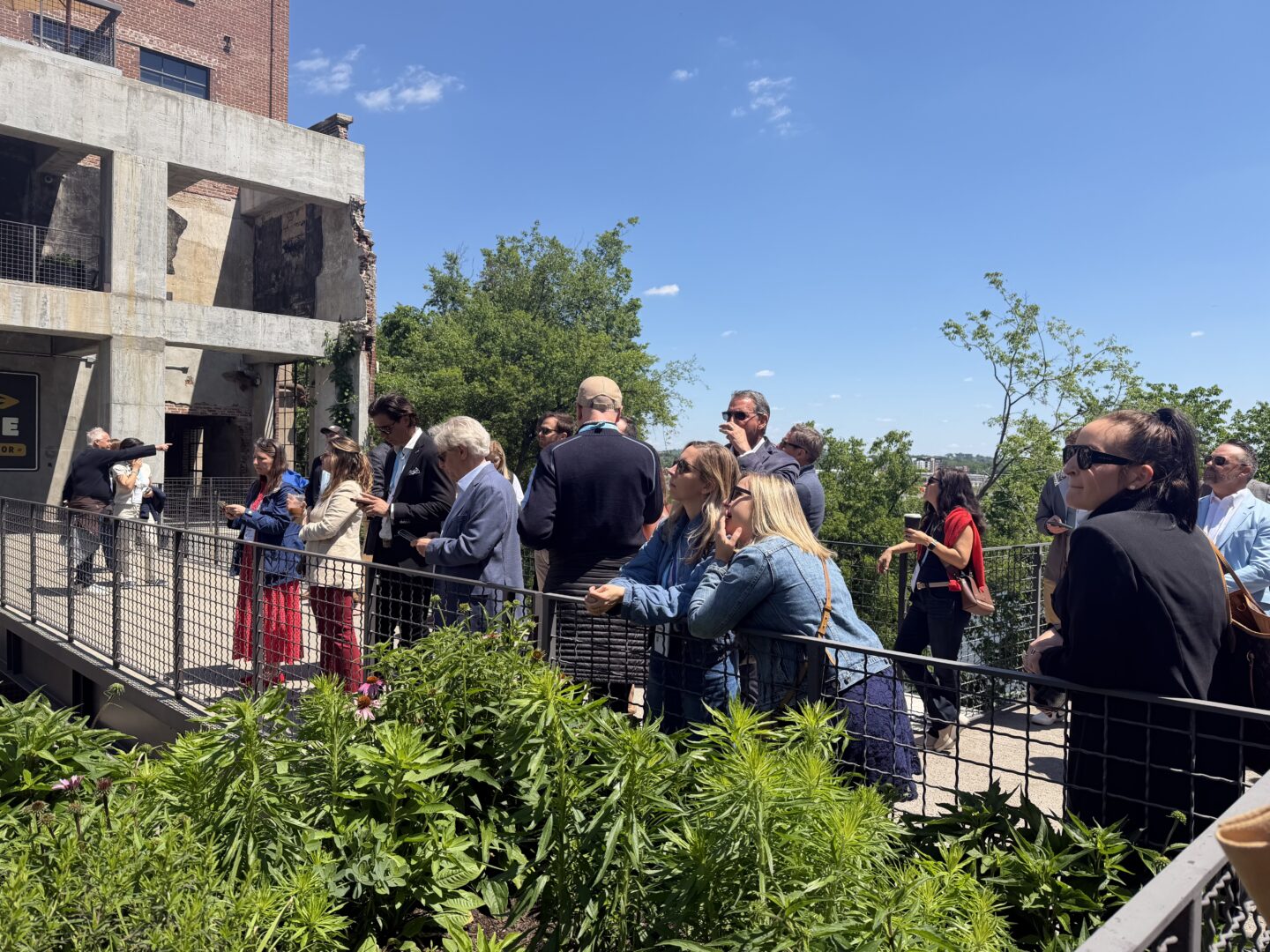
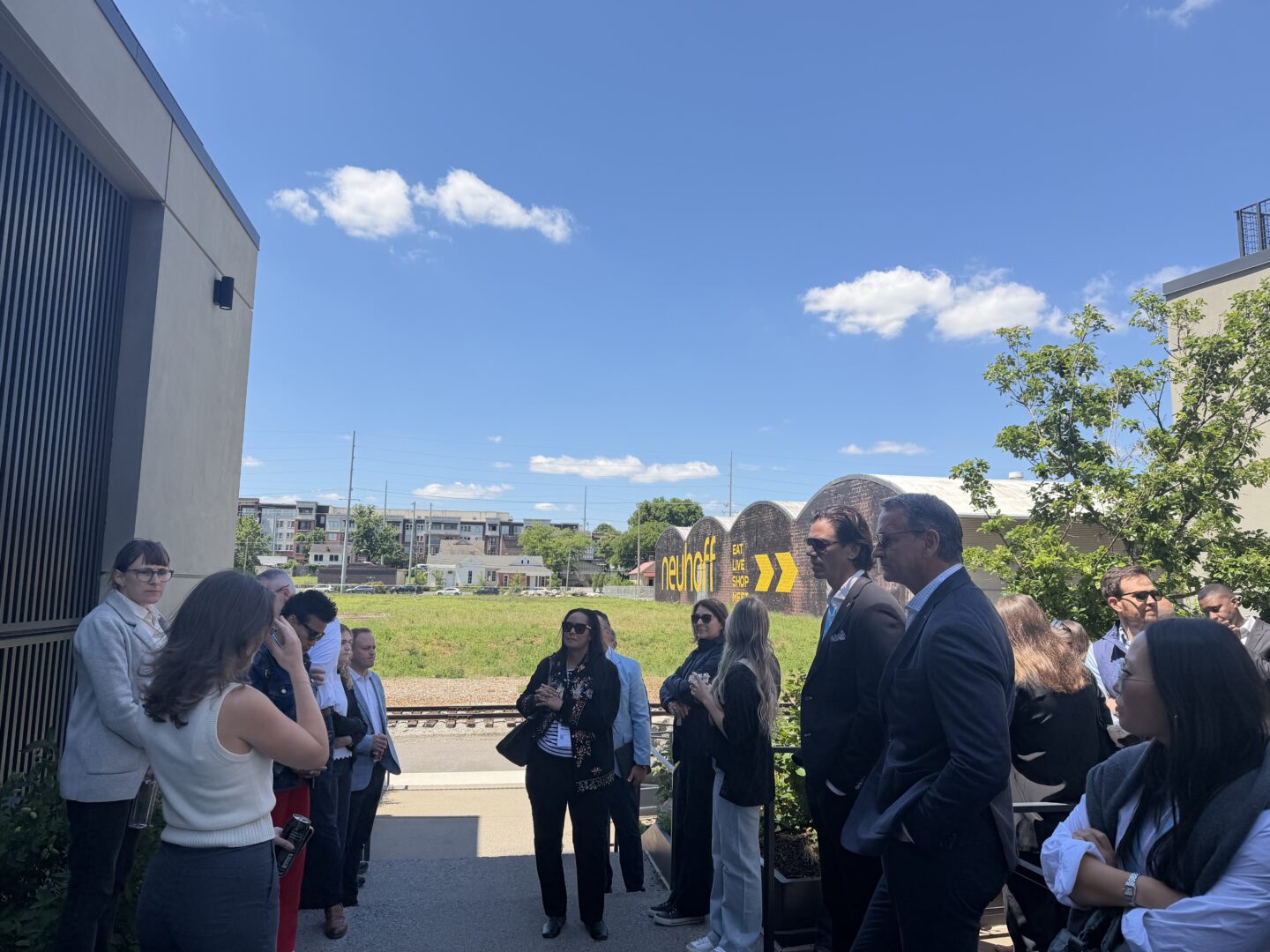
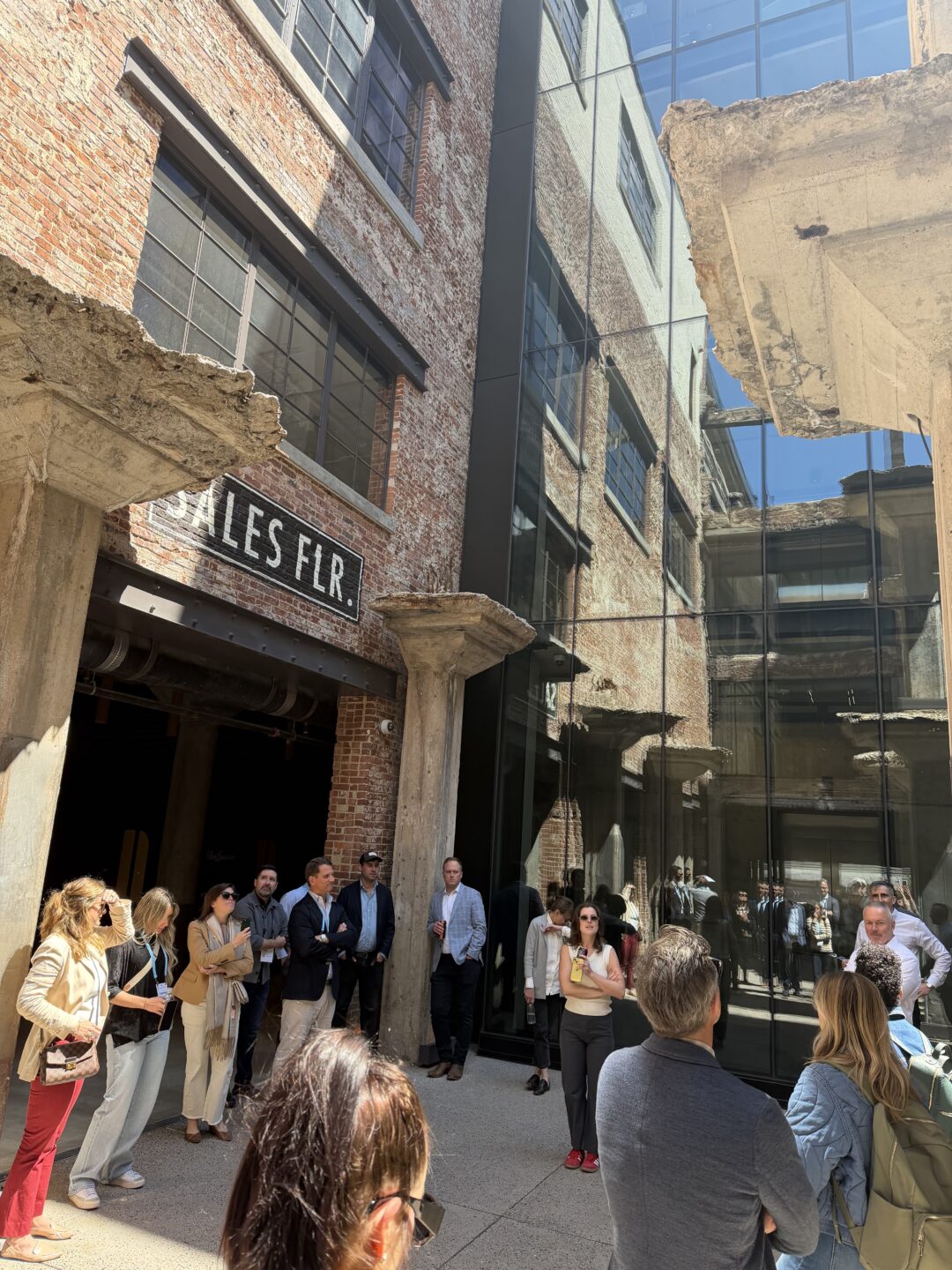
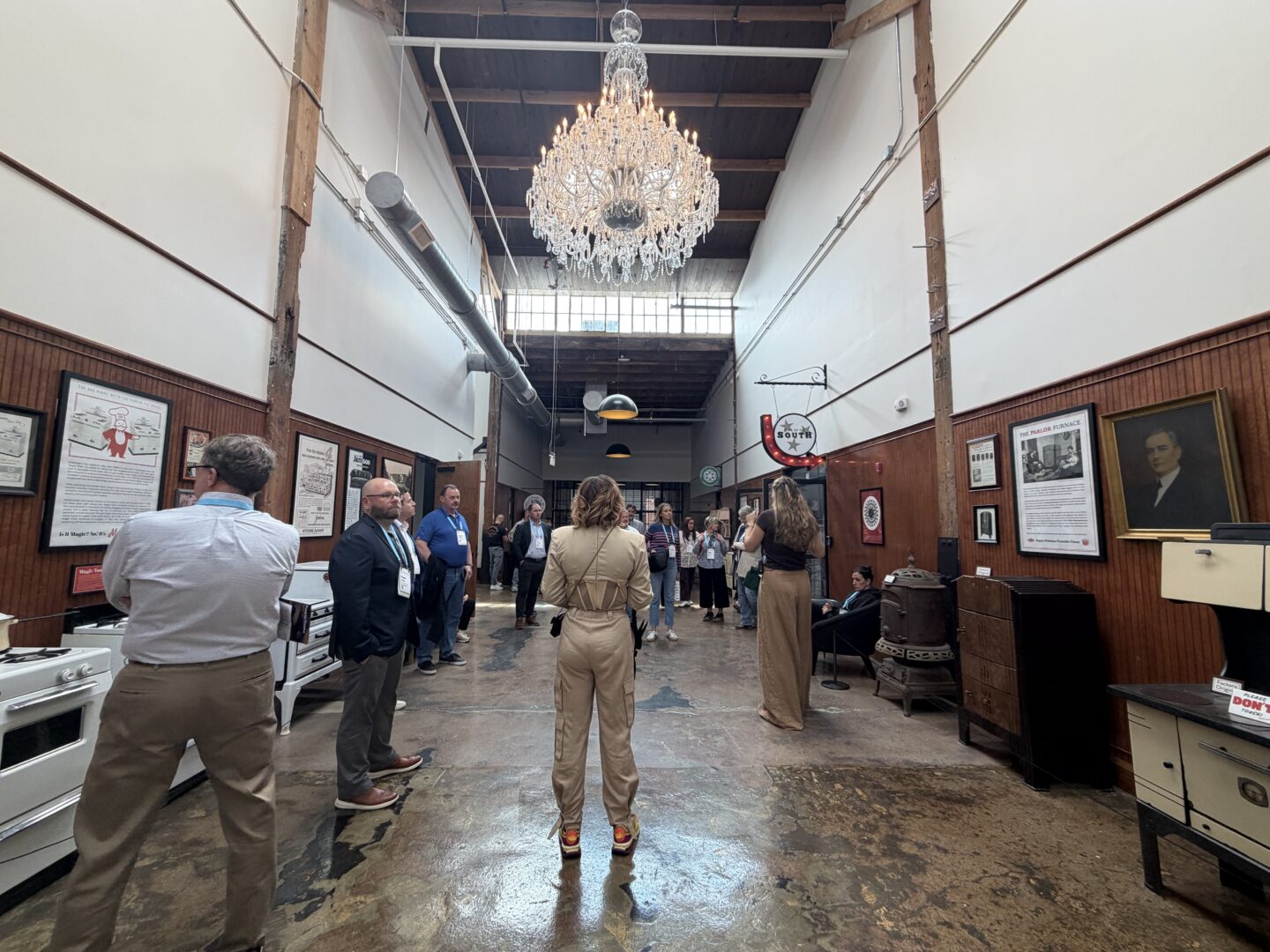
In Franklin, historic preservation and adaptive reuse have transformed downtown into a thriving economic and cultural destination without sacrificing its character. Through projects like The Factory and The Margin, the tour highlighted how restoration, thoughtful redevelopment, and strong public-private partnerships can preserve authenticity while still supporting growth.
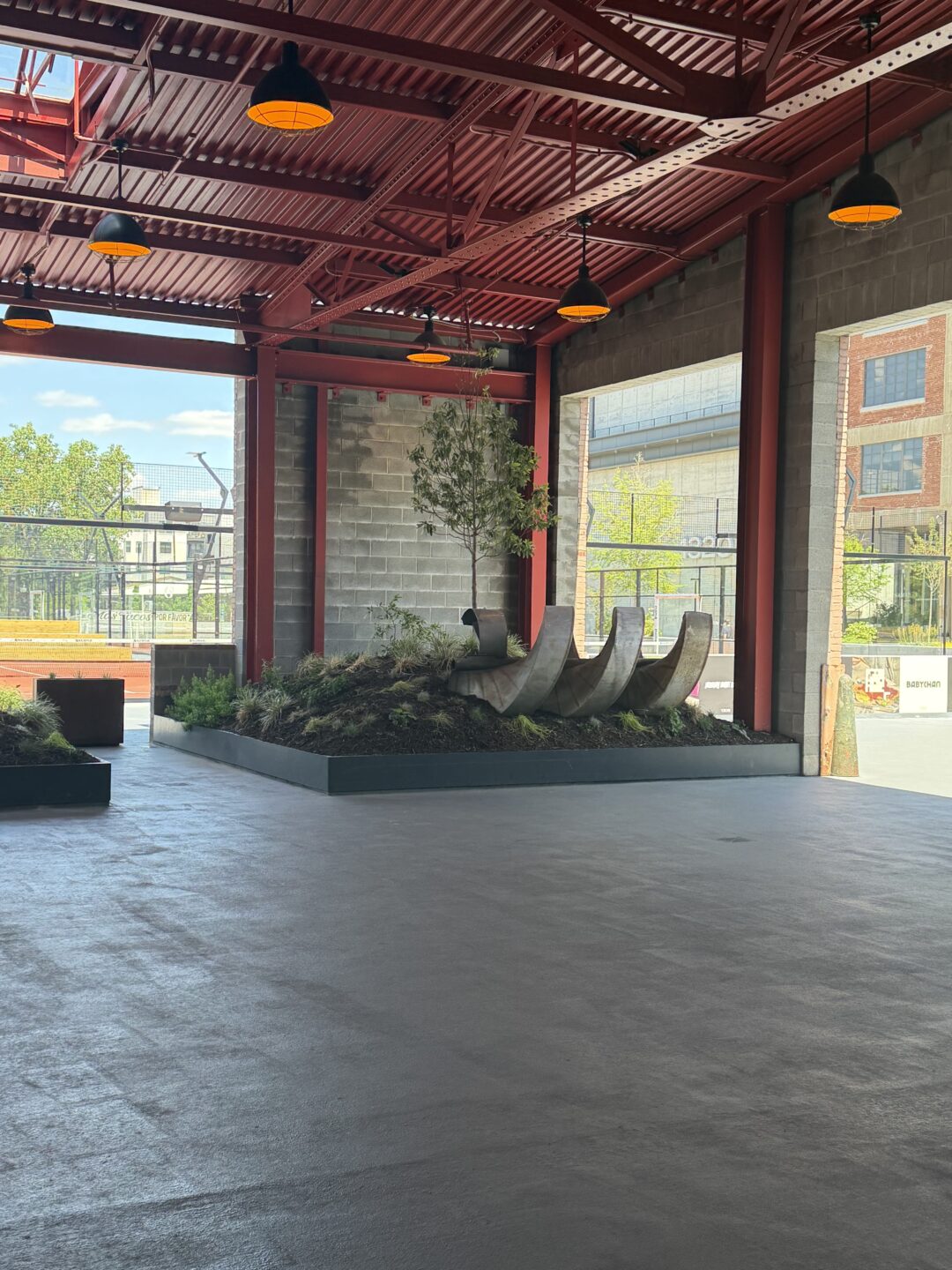
In East Nashville, small-scale “micro developments” like The Wash and Lost & Found illustrated how flexible, community-oriented spaces can create meaningful opportunities for local entrepreneurs while strengthening neighborhood identity. These projects proved that impactful placemaking does not always require massive scale, and sometimes the most memorable places emerge from creative reuse, layered programming, and design that prioritizes human connection.
Building 365-Day Stadium Destinations
The conference also spotlighted the evolving role of sports and entertainment districts in shaping cities year-round. During the panel Beyond Game Day: Building 365-Day Communities Through Sports-Anchored Development, speakers explored how stadiums can act as catalysts for broader neighborhood transformation when paired with community-driven programming and intentional public-private partnerships.
Examples throughout Nashville (the new Nissan Stadium, Geodis Park, and Bridgestone Arena) demonstrated how these developments are evolving beyond singular event venues. Community nights at baseball stadiums, family-friendly programming, greenway connections, and nonprofit gathering spaces are helping transform sports districts into everyday destinations that serve residents as much as visitors.
Hear Populous Principal Matthew Breest describe how Denver’s new women’s soccer stadium will be a year-round community asset
Listen to the full podcast episode here
Designing With Nature, Not Against It
One particularly inspiring theme throughout the week was resilience through design. As Nashville continues to grow along the Cumberland River, developers and civic leaders are embracing environmental realities rather than resisting them, designing for flood adaptation, water absorption, and long-term ecological stewardship. From large underground water retention systems beneath stadium developments to infrastructure strategies that prioritize absorbing and reusing water rather than simply pushing it away, the city is beginning to model a more adaptive approach to urban growth.
These conversations reinforced the importance of designing places that are not only vibrant and economically successful, but also responsive to the realities of climate and long-term environmental change.
Moving Beyond Buzzwords
We also appreciated the candid conversations happening throughout the conference around industry buzzwords like “sustainability” and “diversity.” Many speakers challenged attendees to move beyond performative language and refocus on what these ideas actually mean in practice: creating places that genuinely serve communities, support local culture, foster accessibility, and improve quality of life over time.
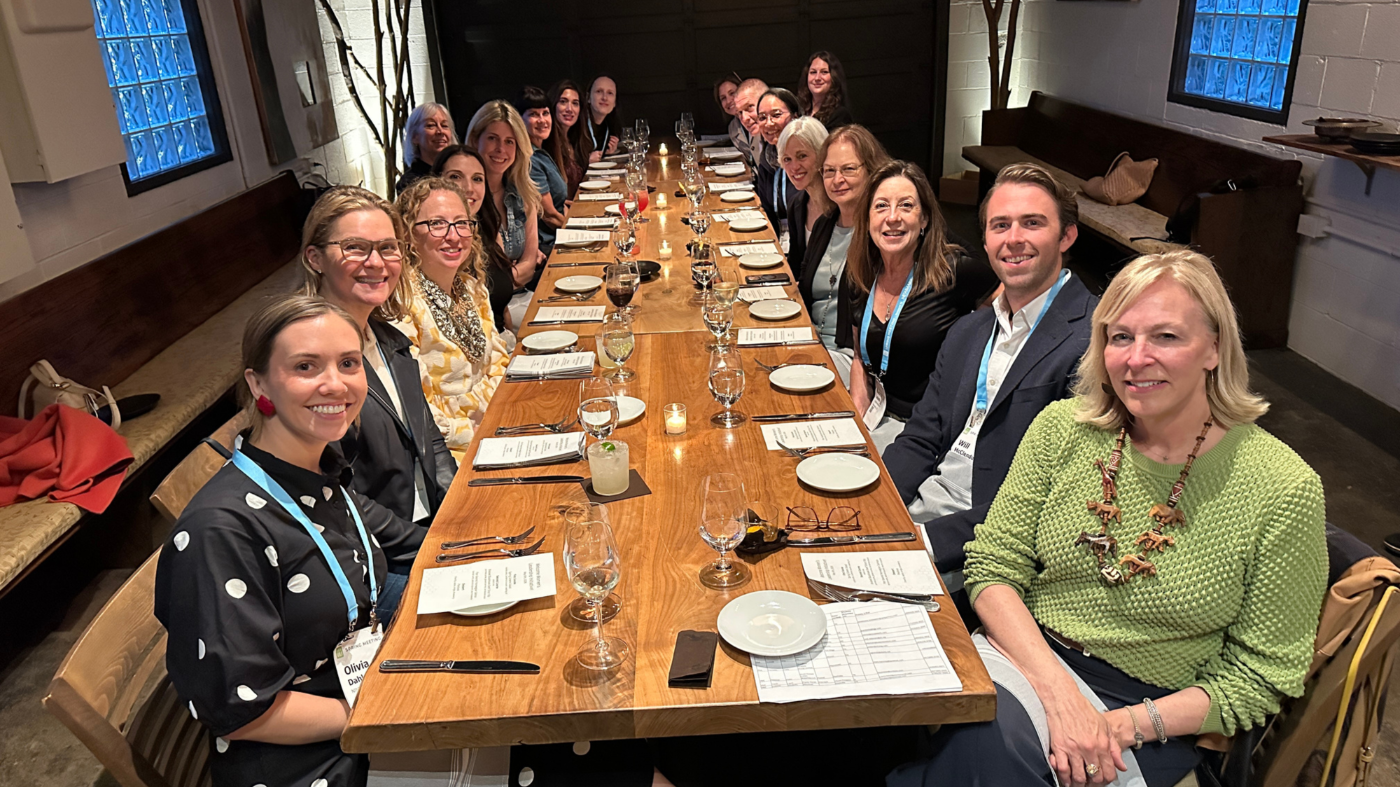
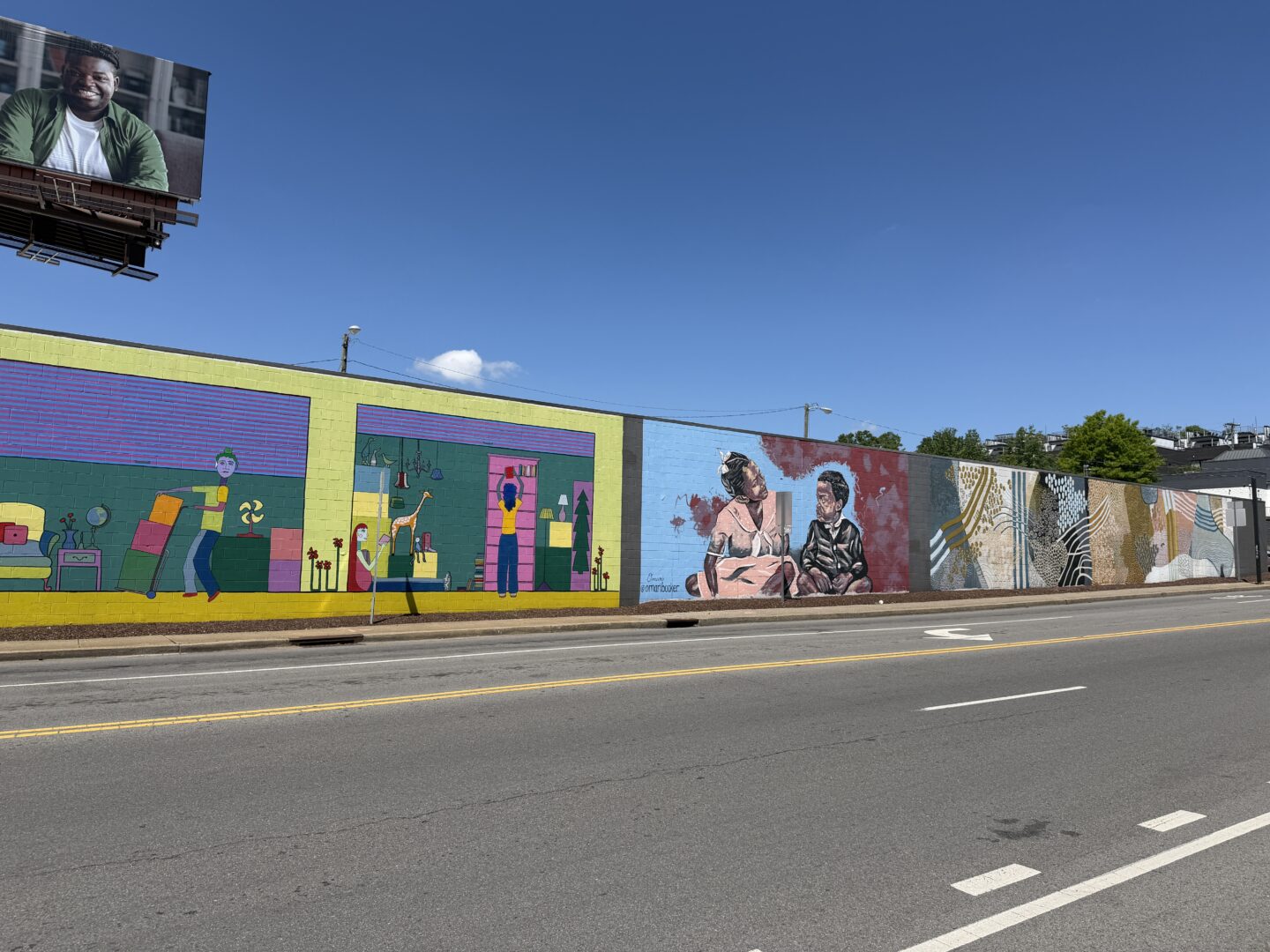
Women’s Leadership Initiative Dinner at Miel | Public Art Murals Near Vanderbilt University
Final Takeaways from Nashville
For us, the Spring Meeting reinforced why art matters so much in development conversations. Art is not simply an aesthetic layer added at the end of a project. When integrated thoughtfully, it becomes part of the social and emotional infrastructure of a place, helping communities establish identity, preserve history, encourage connection, and create experiences people remember.
Nashville’s growth story is still unfolding, but what stood out most was the city’s commitment to shaping growth intentionally. Through adaptive reuse, cultural investment, public-private partnerships, and experience-driven development, Nashville continues to offer valuable lessons for how cities can evolve without losing the character and creativity that make them memorable in the first place.
