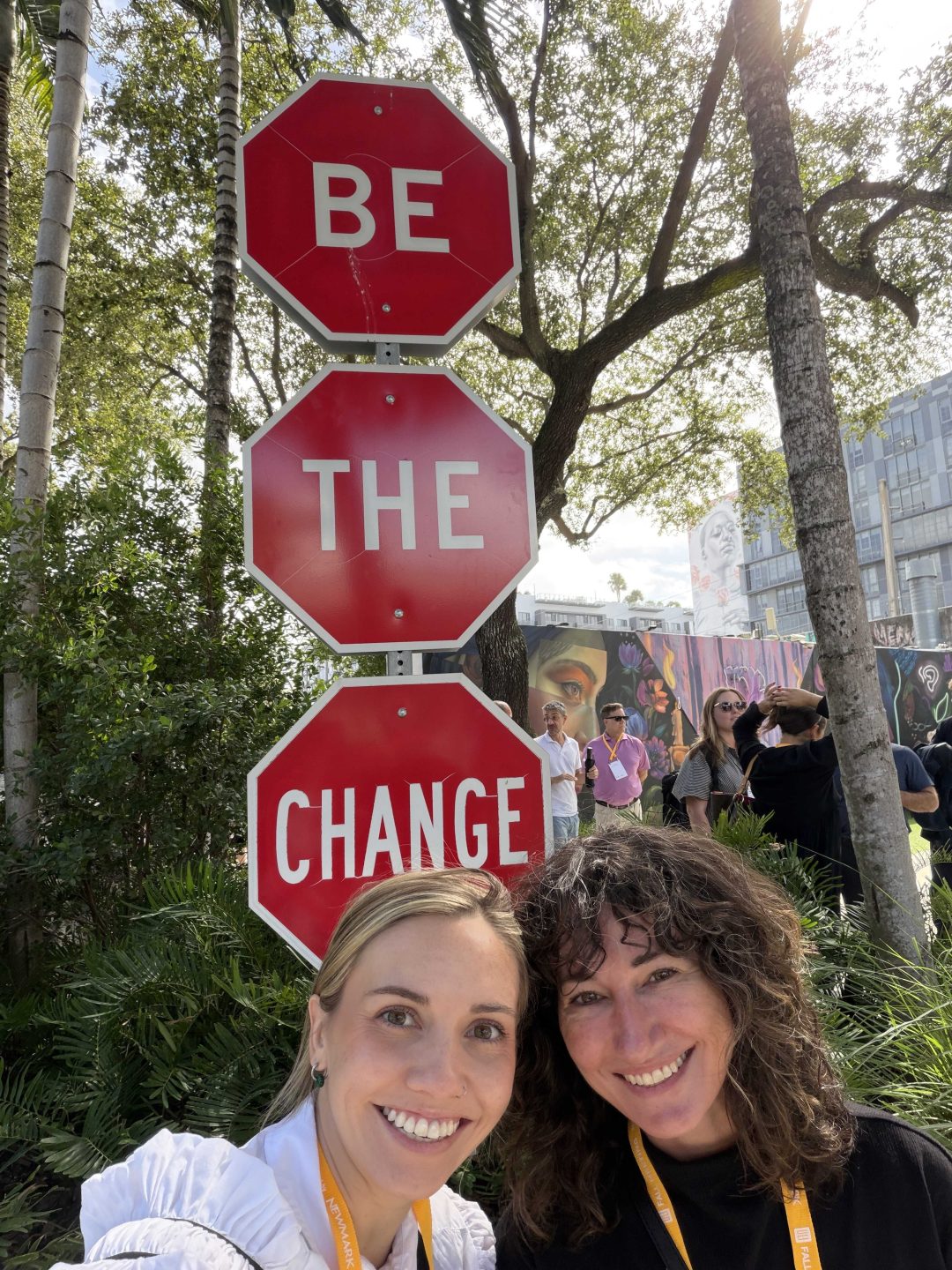
Infrastructure for the Soul: Takeaways From the 2026 ULI Fall Meeting in Miami
This October, NINE dot ARTS joined thousands of developers, designers, planners, and civic leaders in Miami to explore today’s real estate trends and topics, from data center development to sports districts and downtown revival. But the conversations that stuck with us most were about place: how to make more of what’s already there, how place means nothing without people, and why art and culture are critical for shaping place identity.
And while AI came up often, so did the realization that we’re nothing without human connection. The more our tools speed up, the more people crave real, in-person experiences that connect them to each other and to the places they share. And that’s where art can shine.
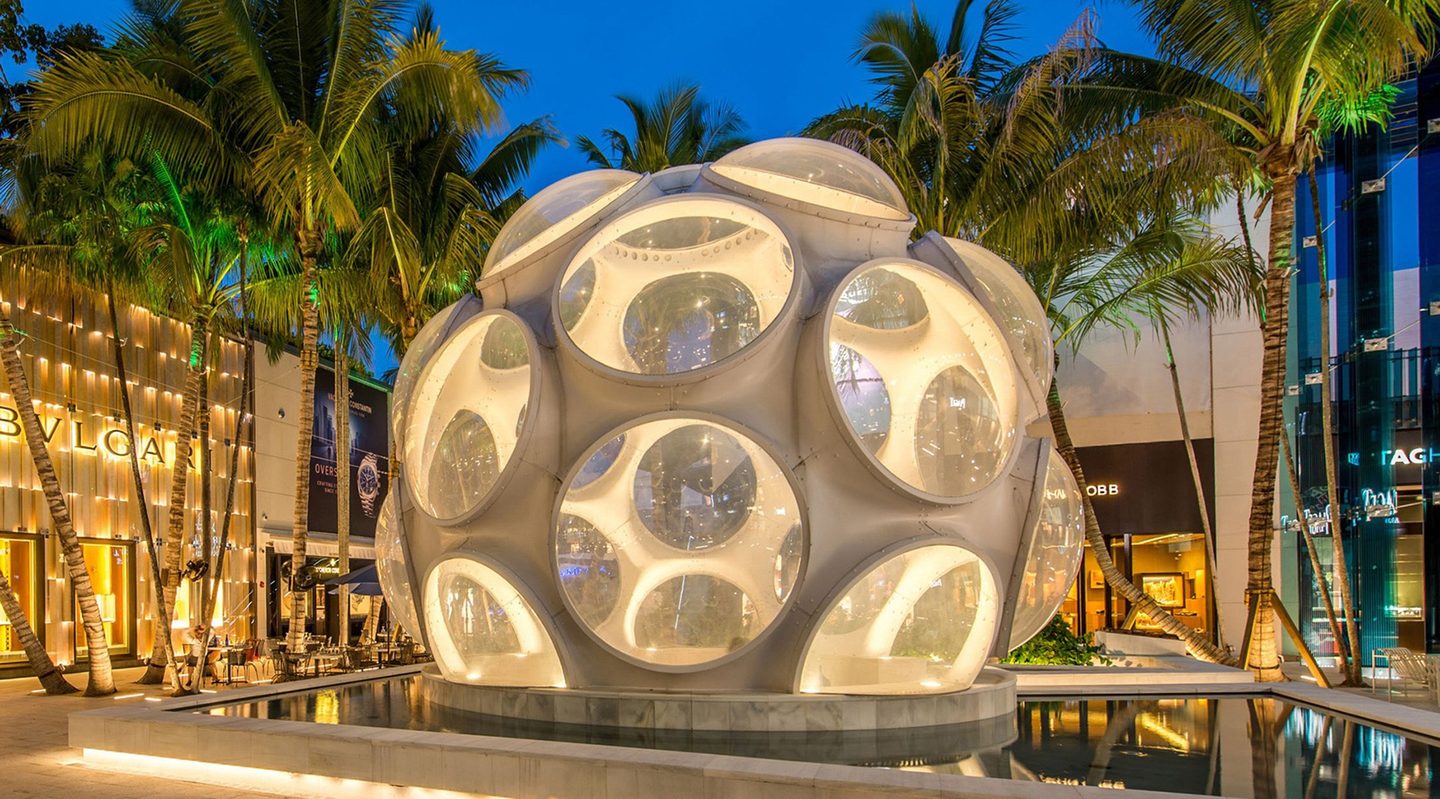
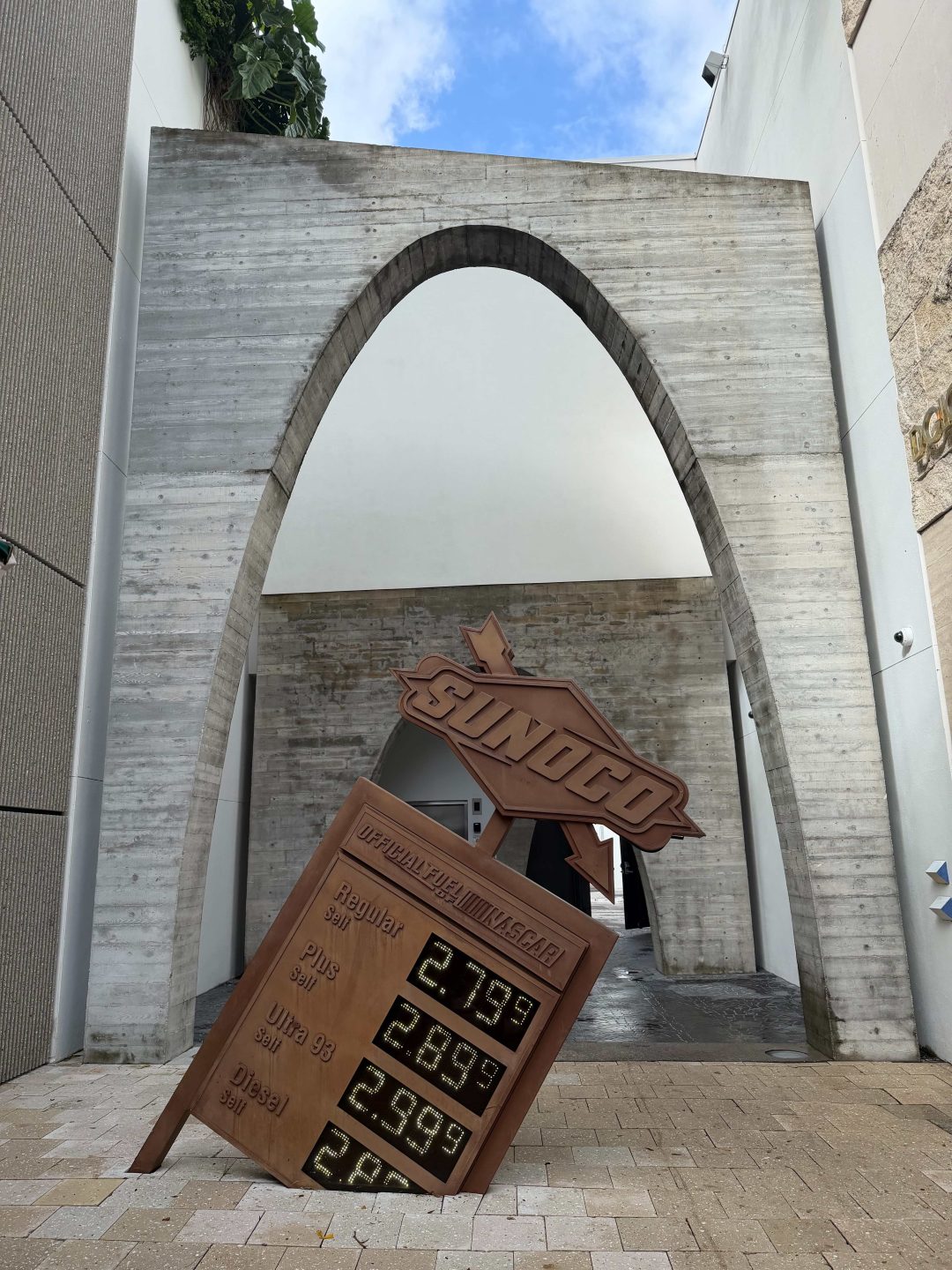
Buckminster Fuller’s Fly’s Eye Dome, a gateway and access point to an underground parking garage in the Design District
Two neighborhoods, two stories
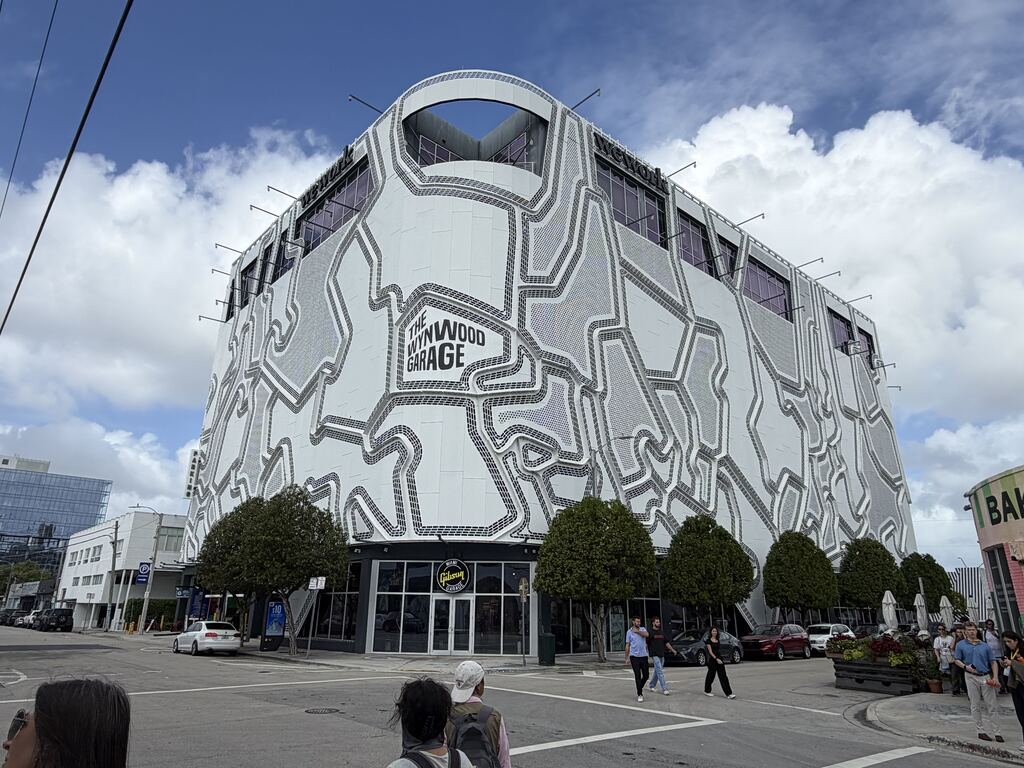
We kicked things off with a tour of Wynwood and the Design District. They’re minutes apart and both started out industrial, but they took very different paths to becoming global destinations.
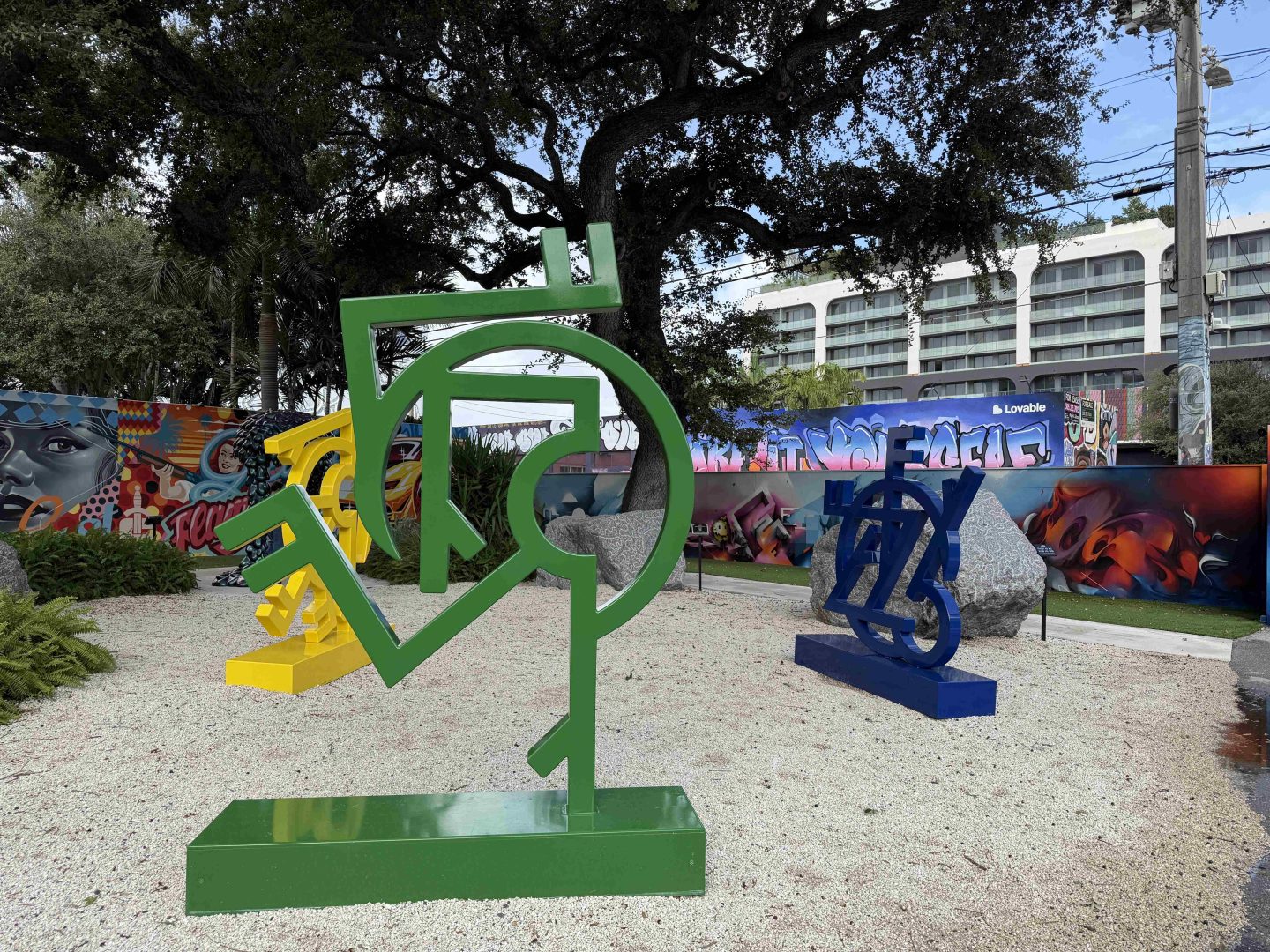
Wynwood is what happens when art leads. In 2009, developer Tony Goldman launched Wynwood Walls and invited artists to paint a neglected warehouse district. The murals became the neighborhood’s identity, and that identity brought the people, the businesses, and eventually the housing. The challenge now is how to keep growing while honoring the authenticity that made Wynwood worth visiting.
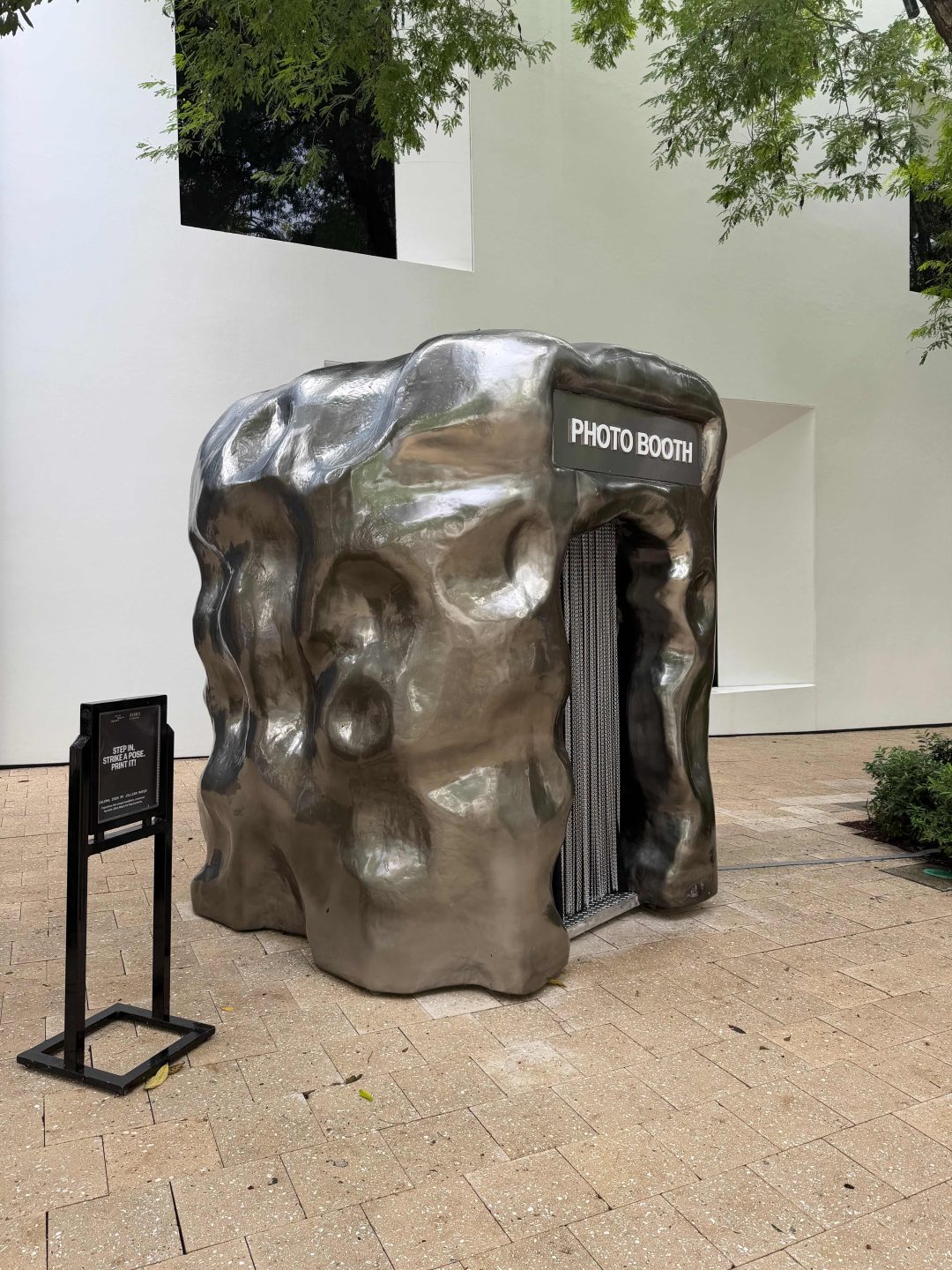
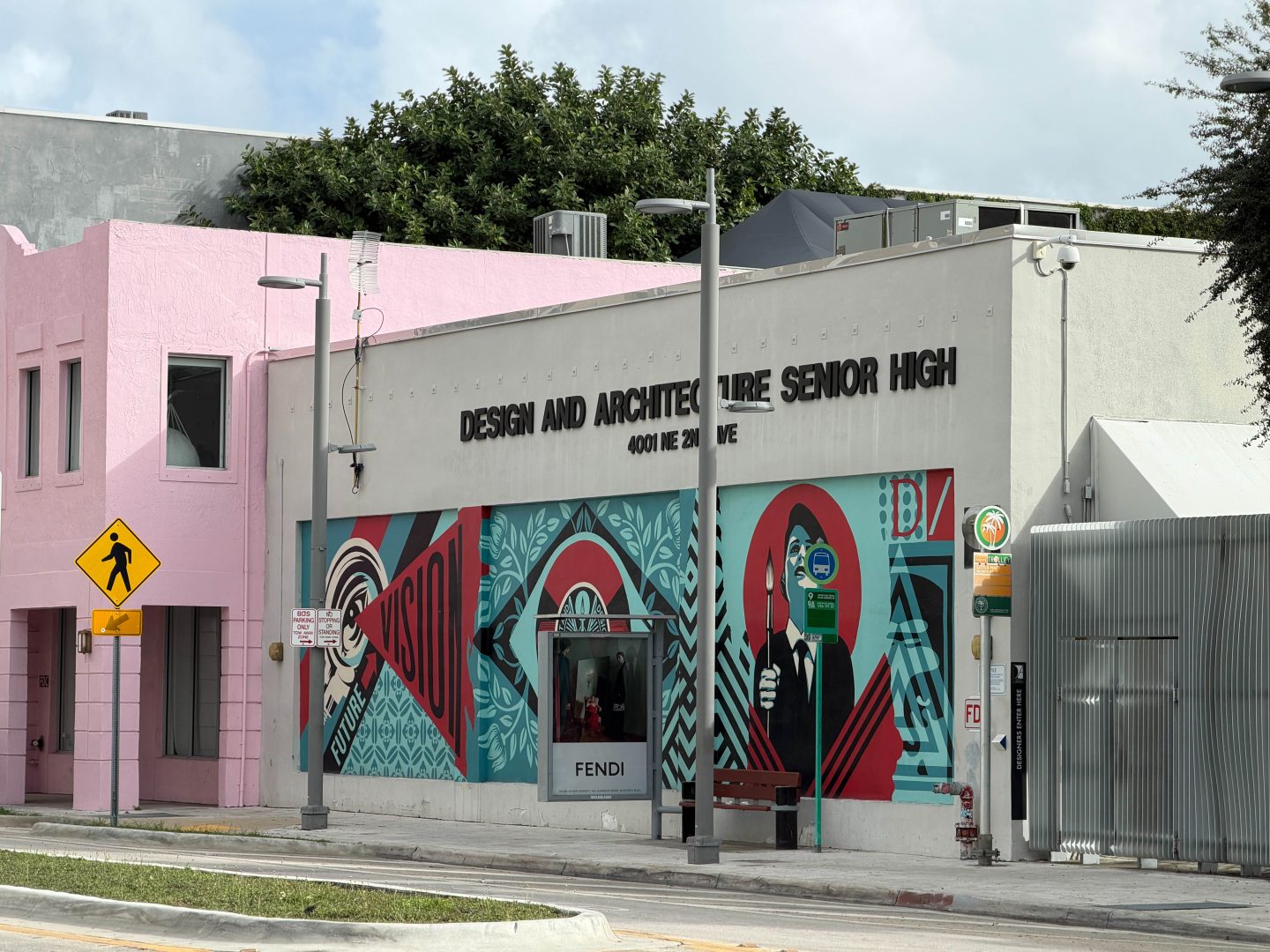
The Design District went the curated route, weaving luxury retail together with contemporary art and architecture. Buckminster Fuller’s Fly’s Eye Dome anchors a central plaza, sculptural concrete arches frame a pedestrian paseo, and Jillian Mayer’s melty, mirror-finish photo booth basically dares you to step inside (we did). Even the high school on the corner, Design and Architecture Senior High, sports a bold mural by celebrated street artist Shepard Fairey.
Different playbooks, same lesson: when art is part of the plan from day one, it becomes part of the value.
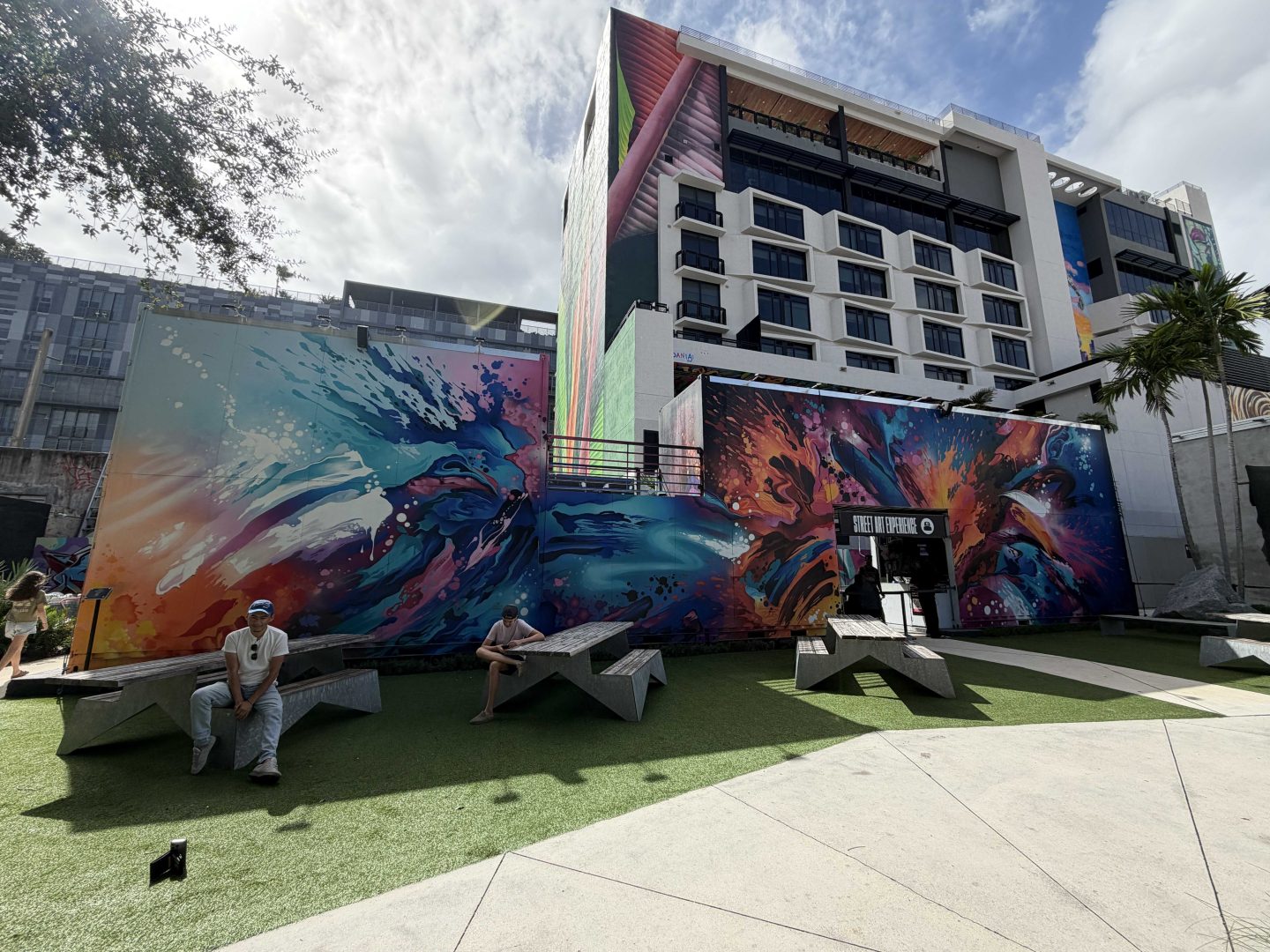
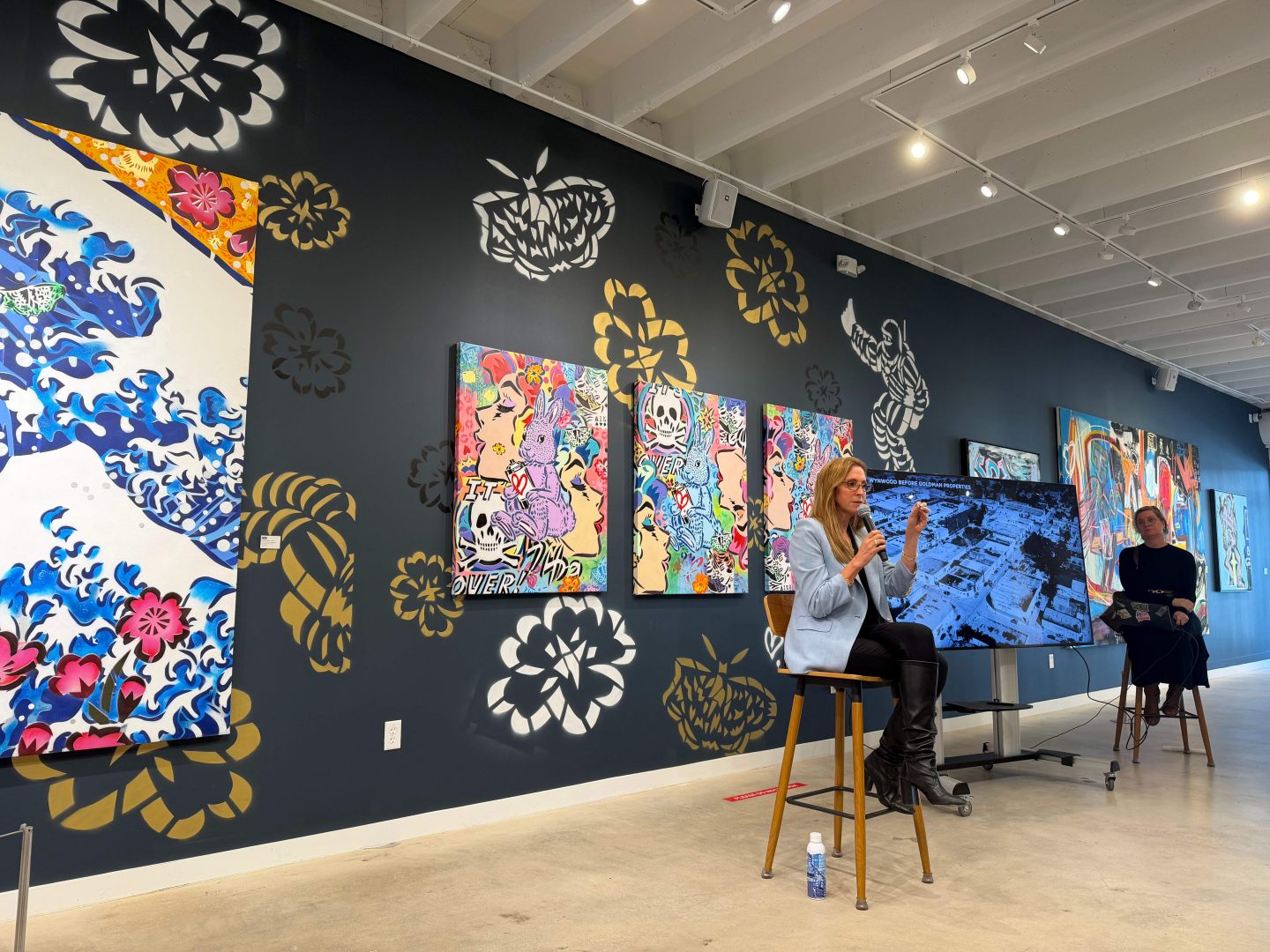
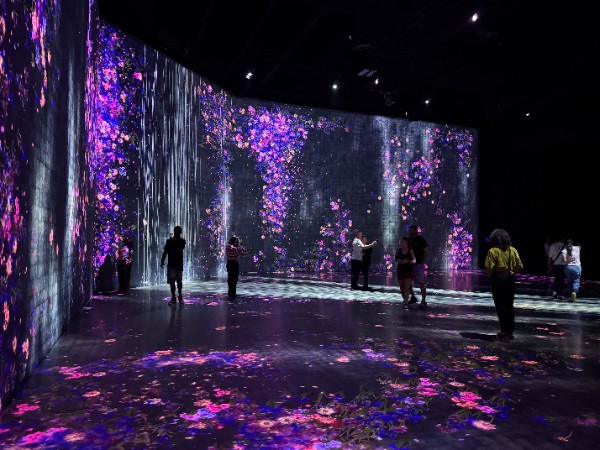
We saw that idea taken even further at Superblue, the immersive art center in Allapattah, where room-sized installations by James Turrell, Random International, Rafael Lozano-Hemmer, Studio Lemercier, TeamLab, and ES Devlin, turn you from a viewer into a participant. Its motto says it all: “Created by artists. Completed by you.” The most resonant cultural experiences are the ones that invite interaction, connection, and memory making.
What we’re still thinking about
Wynwood, the Design District, and SuperBlue set the tone for the rest of the week. Here’s what else we brought home.
The next great opportunity may already be out of the ground. With capital getting choosier and new construction harder to pencil, session after session pointed to repositioning what already exists. From adaptive reuse strategies to talks on thriving downtowns and street-level retail, the message was that existing buildings and districts find new life when they connect to their surroundings. And art is one of the fastest, most visible ways to make that connection.
The neighborhood is the amenity. Whether the topic was Wynwood, Little Havana, or sports districts, it all came back to placemaking. Growth doesn’t have to come at the expense of character, and designing for the people who already call a place home protects the very thing that makes it valuable.
Art can live anywhere, so paint all the things. NINE dot ARTS Chief Curator and Co-founder Molly Casey is a member of ULI’s Placemaking Council, a cross-disciplinary group dedicated to creating vibrant, inclusive, resilient cities through immersive, on-the-ground experiences. She spent the final day of the meeting with the council and came back with a few favorite observations:
- Parking garages are huge canvases waiting to happen. We all have to park in them, so why not make them cool? Pipes included!
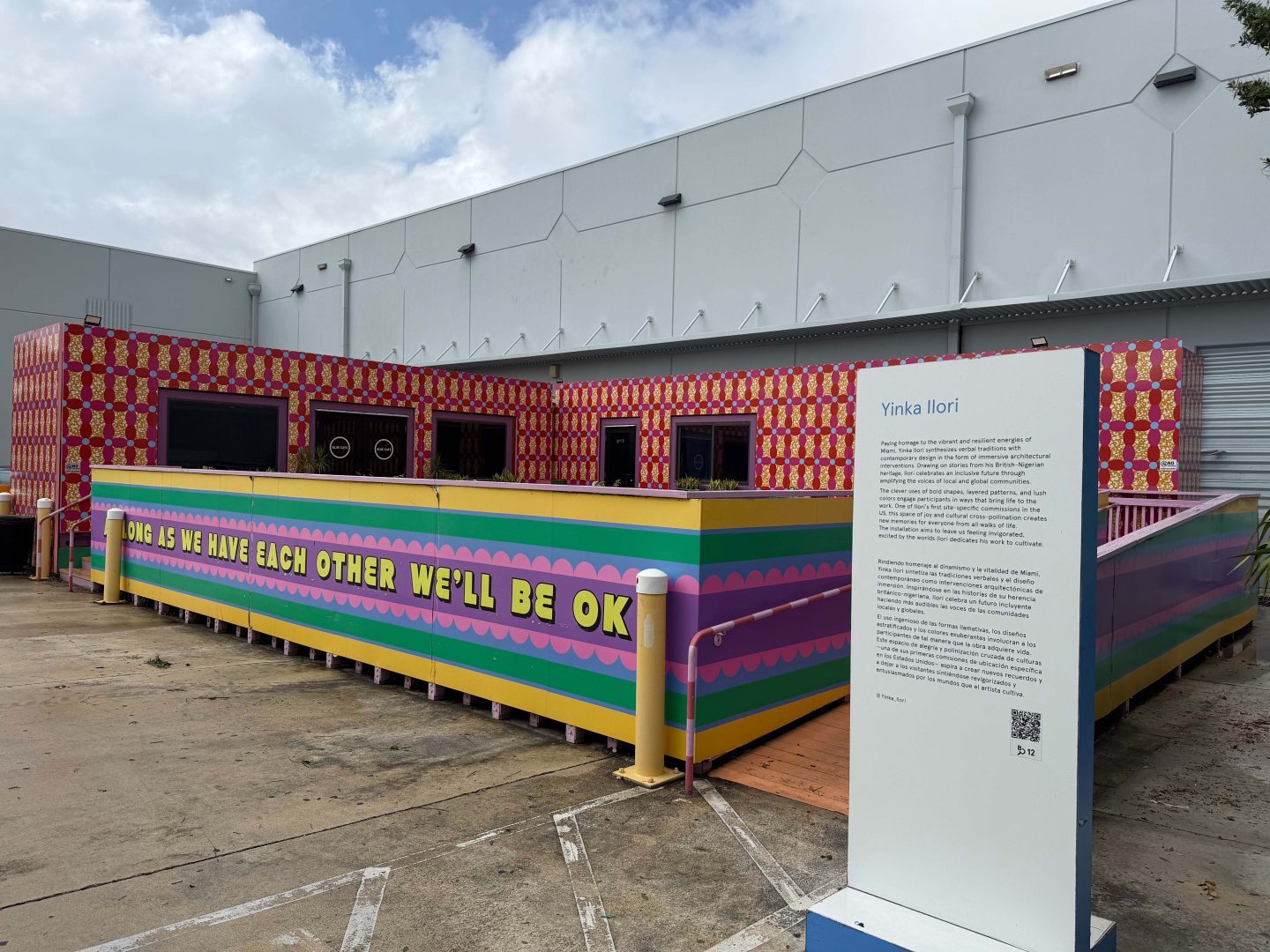
- Art belongs in the in-between spaces. The undersides of awnings, entryways, and overlooked corners can make just as big an impact as a lobby or plaza installation.
- Infrastructure can carry art. Power line posts make great surfaces for installations (and, apparently, for creative gum disposal).
- Benches can be more than functional. A place to sit can also be a piece worth stopping for.
- Sidewalks are for art too. And if the art wears over time? That’s okay. It carries memories and shows how beloved a place has been.
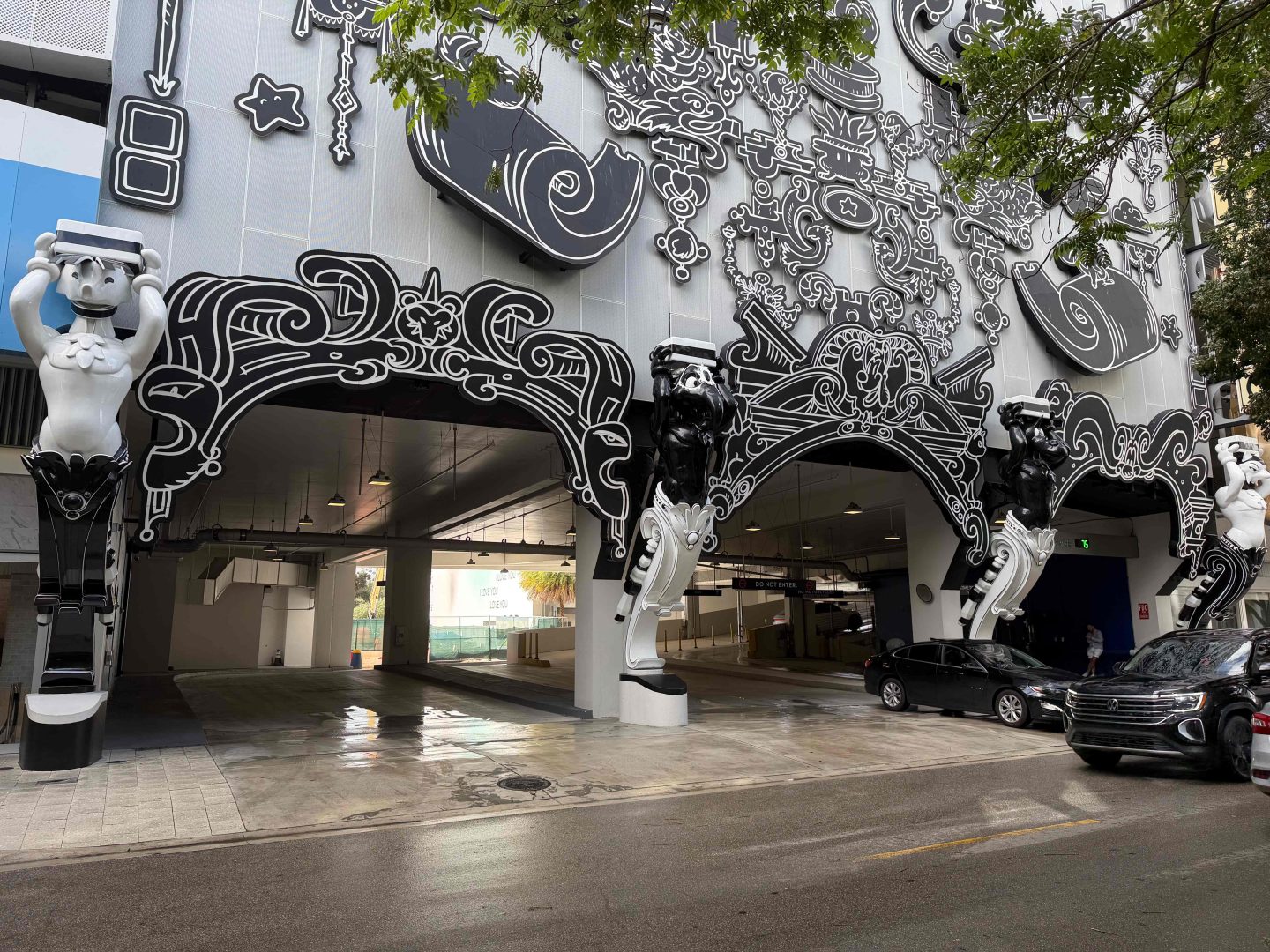
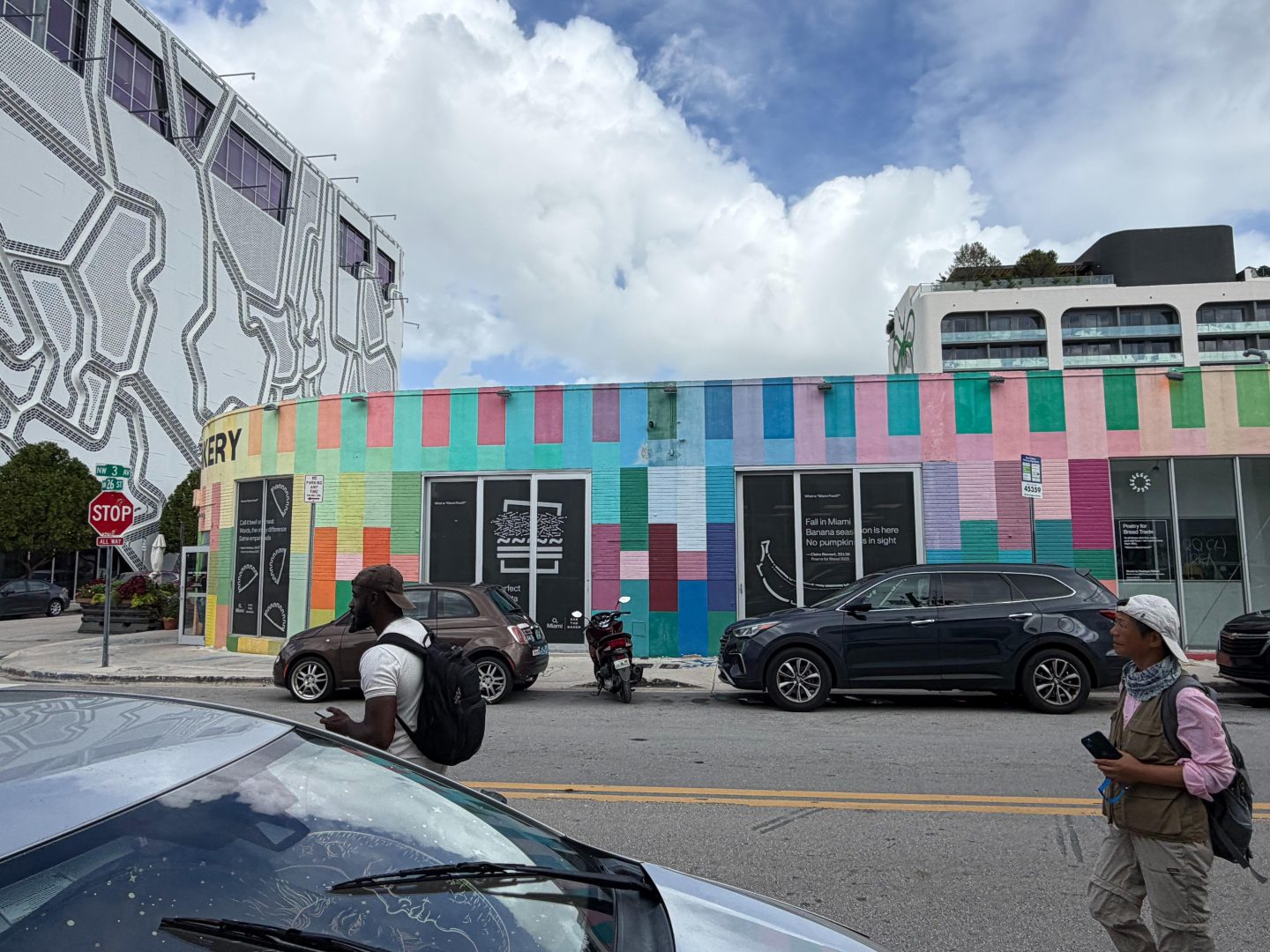
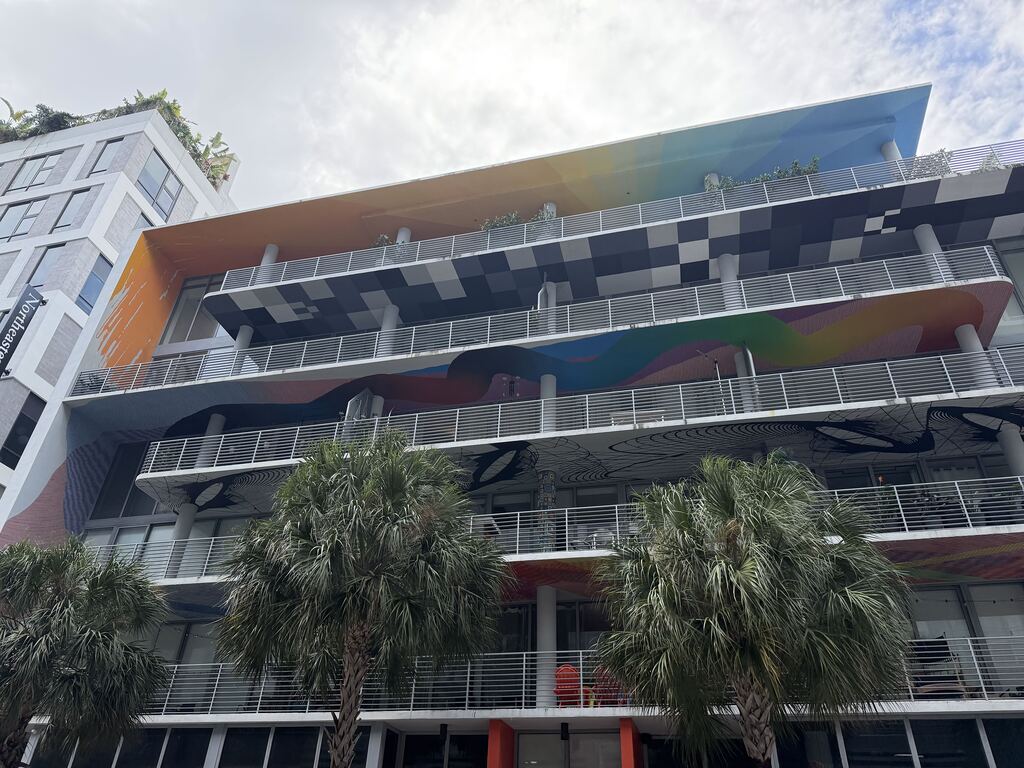
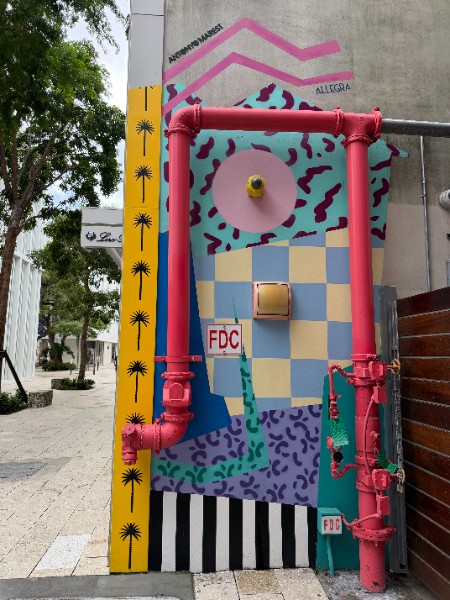
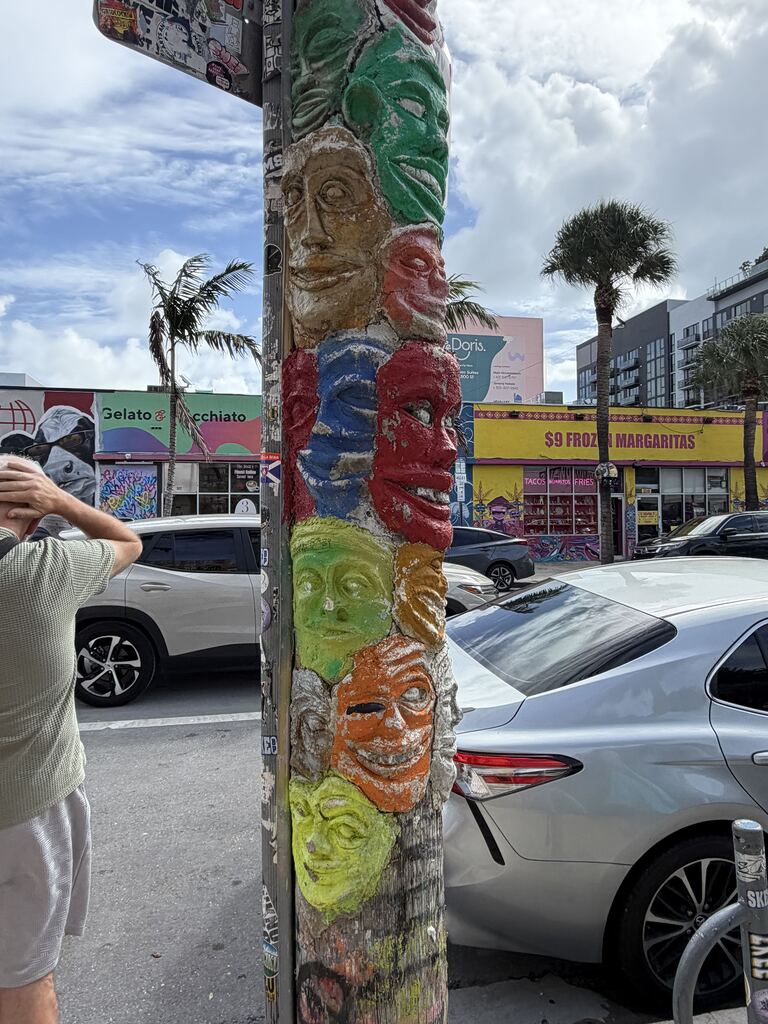
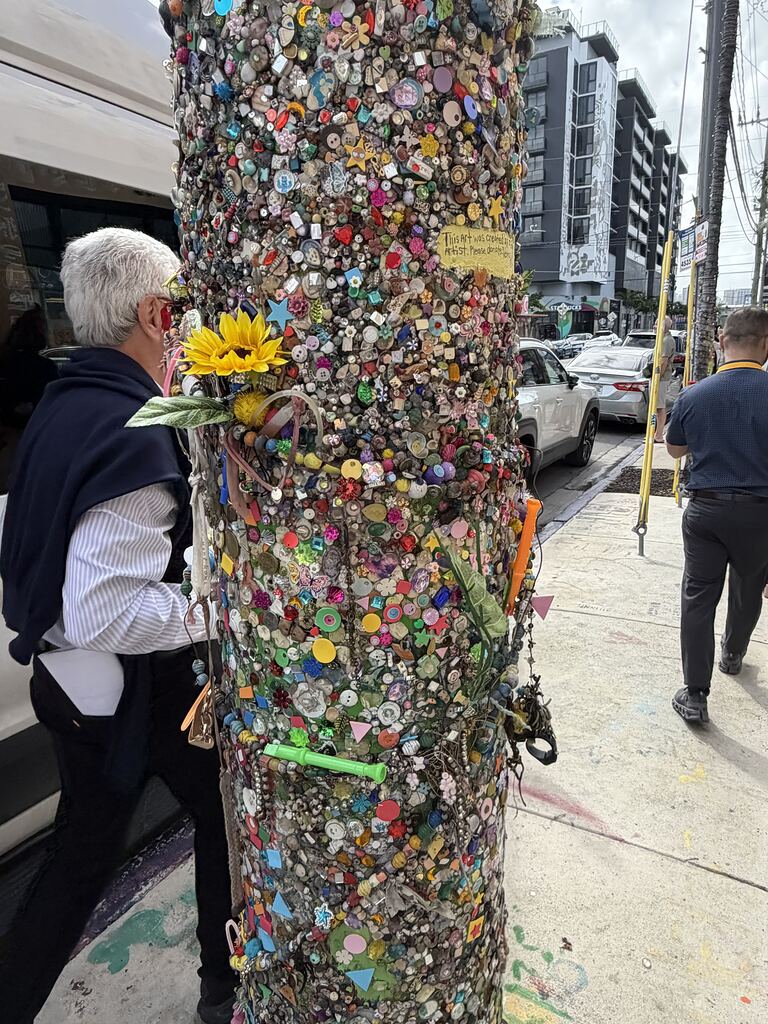
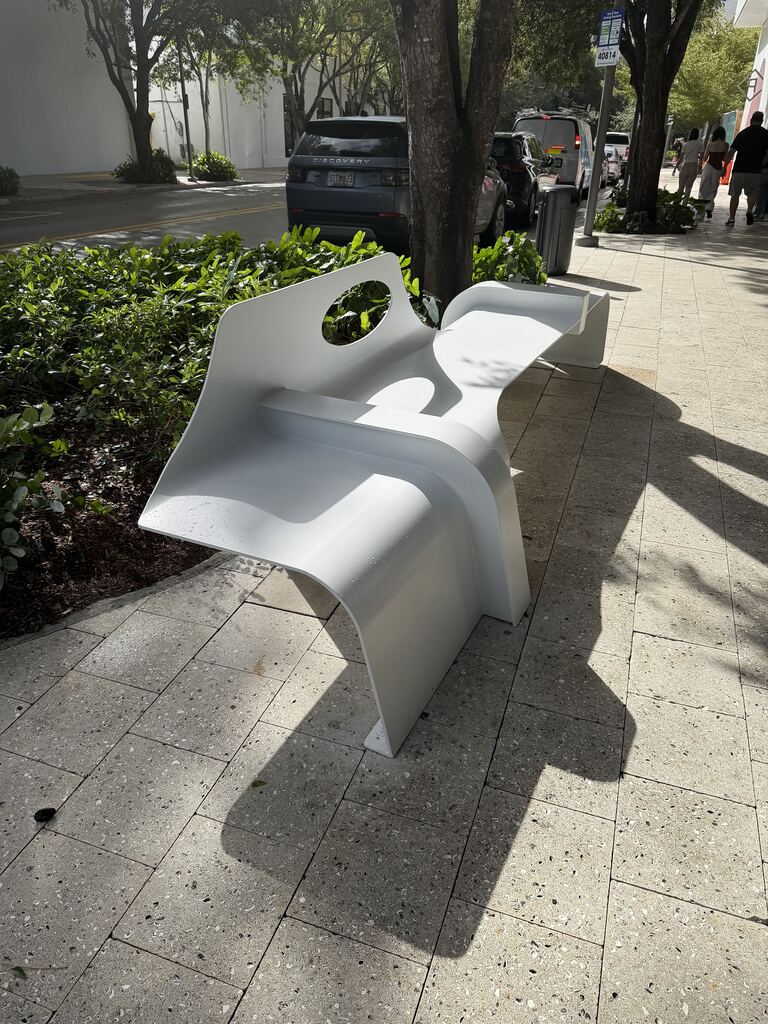
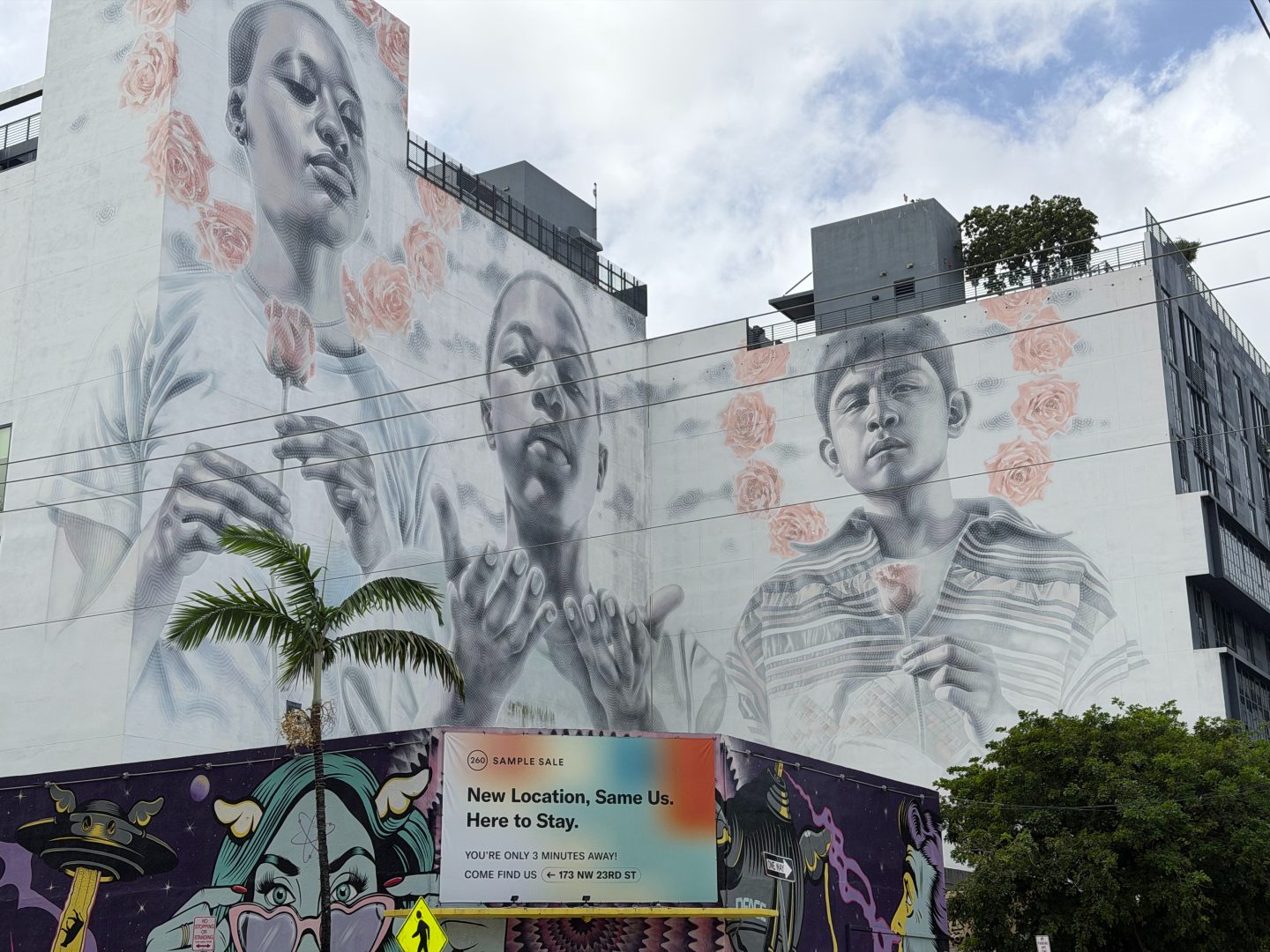
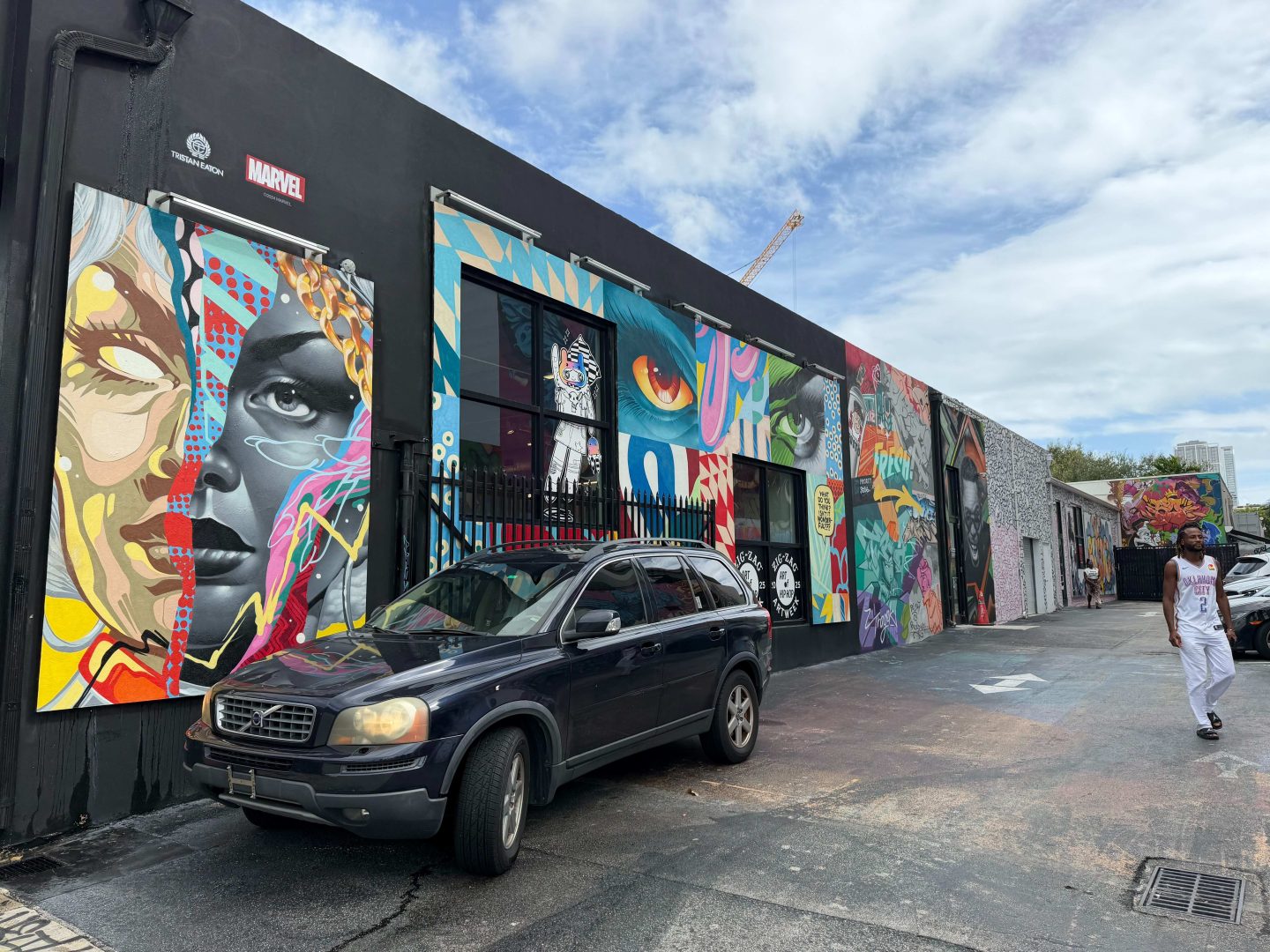
The takeaway for owners and developers: you don’t need a blank wall or a giant budget to get started. Some of Miami’s most memorable moments showed up on surfaces some might think of as leftover space.
The more AI we have, the more we need each other. AI was everywhere this year, from data center demand to the business of scale. But the most energizing moments of the week happened face to face: on the tour bus, at the Women’s Leadership Initiative dinner, and over coffee between sessions. Technology may make us more efficient, but it can’t replace the feeling of standing in a space that truly moves you – nor the meaningful relationships that allow us to bring those spaces to life.
infrastructure for the soul
That idea was at the heart of the closing general session, The Places We Shape, The Future We Create.
The keynote was Candy Chang, an artist, designer, urban planner, and creator of the globally recognized Before I Die project. Through participatory installations around the world, Chang invites people to reflect on their relationship with place: what they remember, what they value, and what they hope for. One slide summed up her approach: creating infrastructure for the soul, or physical spaces for emotional communion.
Her work helped inspire the National Building Museum’s I Hope This Becomes initiative, which ULI brought to Miami for its 90th anniversary. The museum shared a map of more than 5,000 stories from people across the country, a portrait of how deeply rooted we are to place. Out in the halls, attendees added their own sticky notes to poster boards with open-ended prompts.
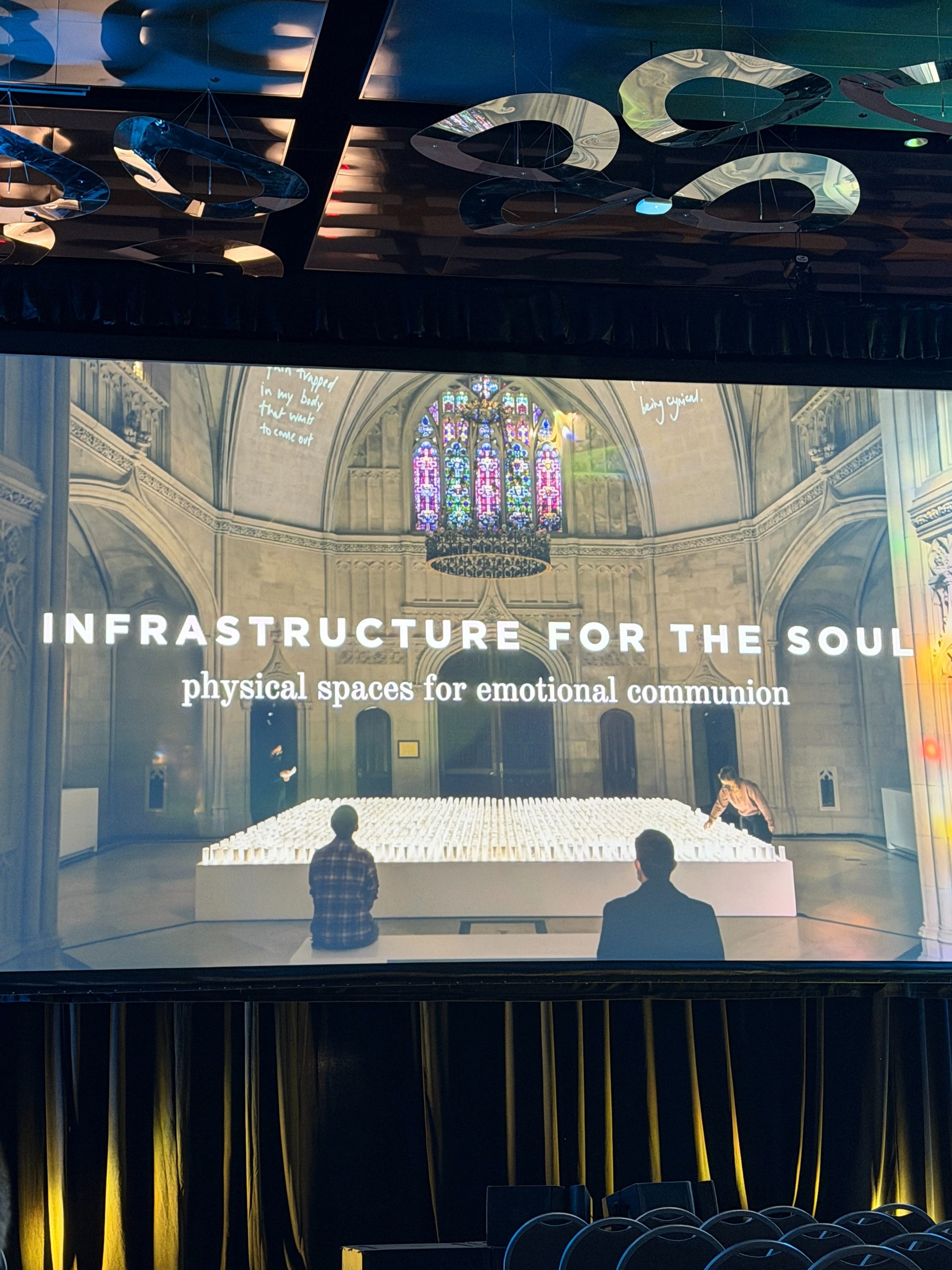
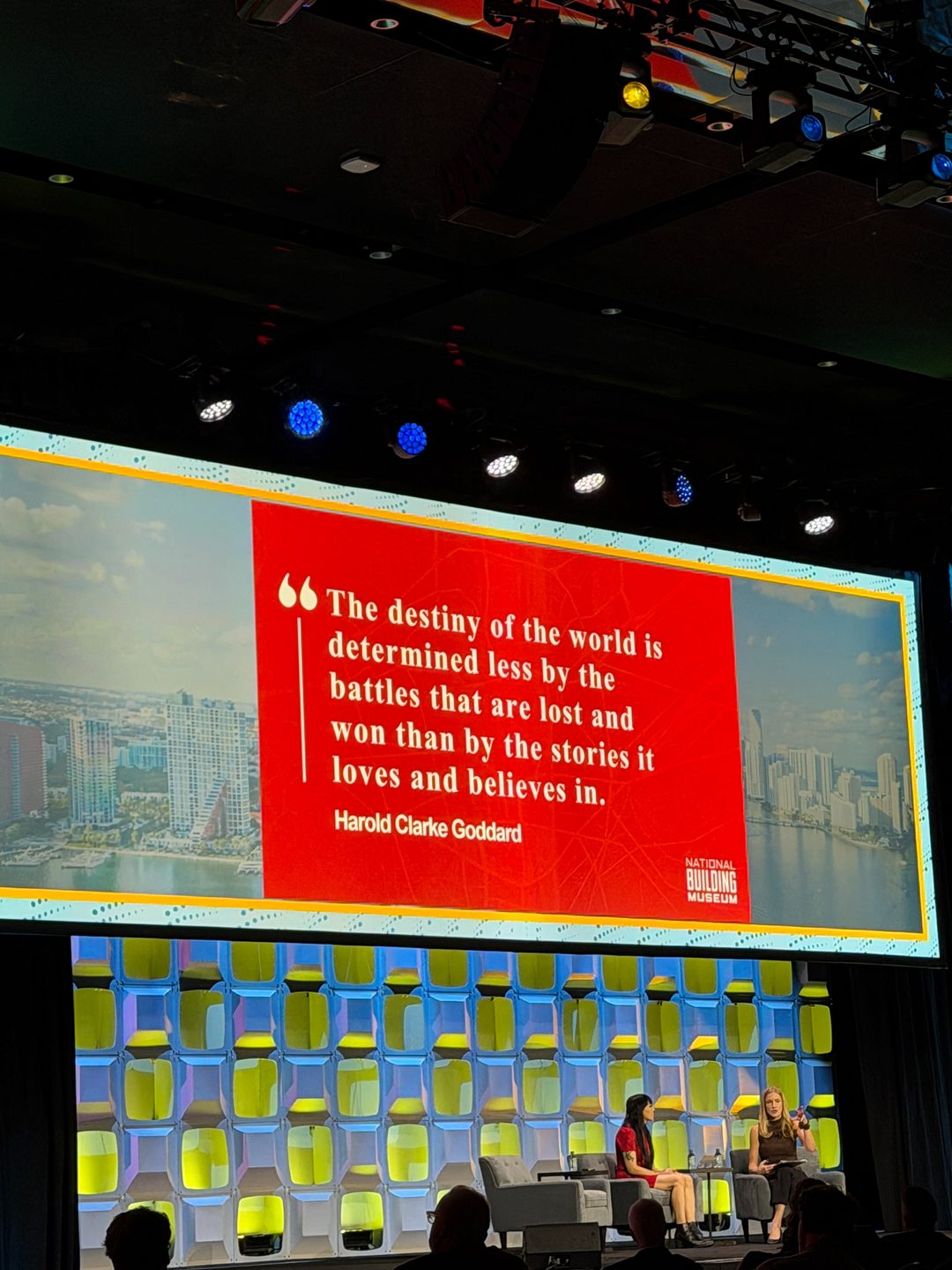
The message was clear: the built environment must do more than serve a function. As stewards of the built environment, it’s our responsibility to create connection, belonging, and a shared sense of possibility. As the session quoted: “The destiny of the world is determined less by the battles that are lost and won than by the stories it loves and believes in” – Harold Clarke Goddard.
Altogether, Miami reminded us that the most compelling places aren’t always the newest. They’re the ones that know who they are and invest in it: on the walls, in the garages, along the sidewalks, and in the stories people tell about them.
Thinking about how art could add value to your next project, or the one that’s already built? Let’s talk.
Because where the future is built, there will be art.